



In early 2025, Mitsubishi Motors sued a U.S. dealership for breaching its contract. The dealer failed to update showroom signage required under Mitsubishi’s Visual Identity Program. The result was a federal lawsuit and the risk of franchise termination.
World Commerce and Contracting , 2025 reports that organizations lose 8.6% of contract value due to missed obligations and weak compliance oversight.
That loss often comes from small issues including missed updates, unchecked deadlines and requirements no one actively monitors.
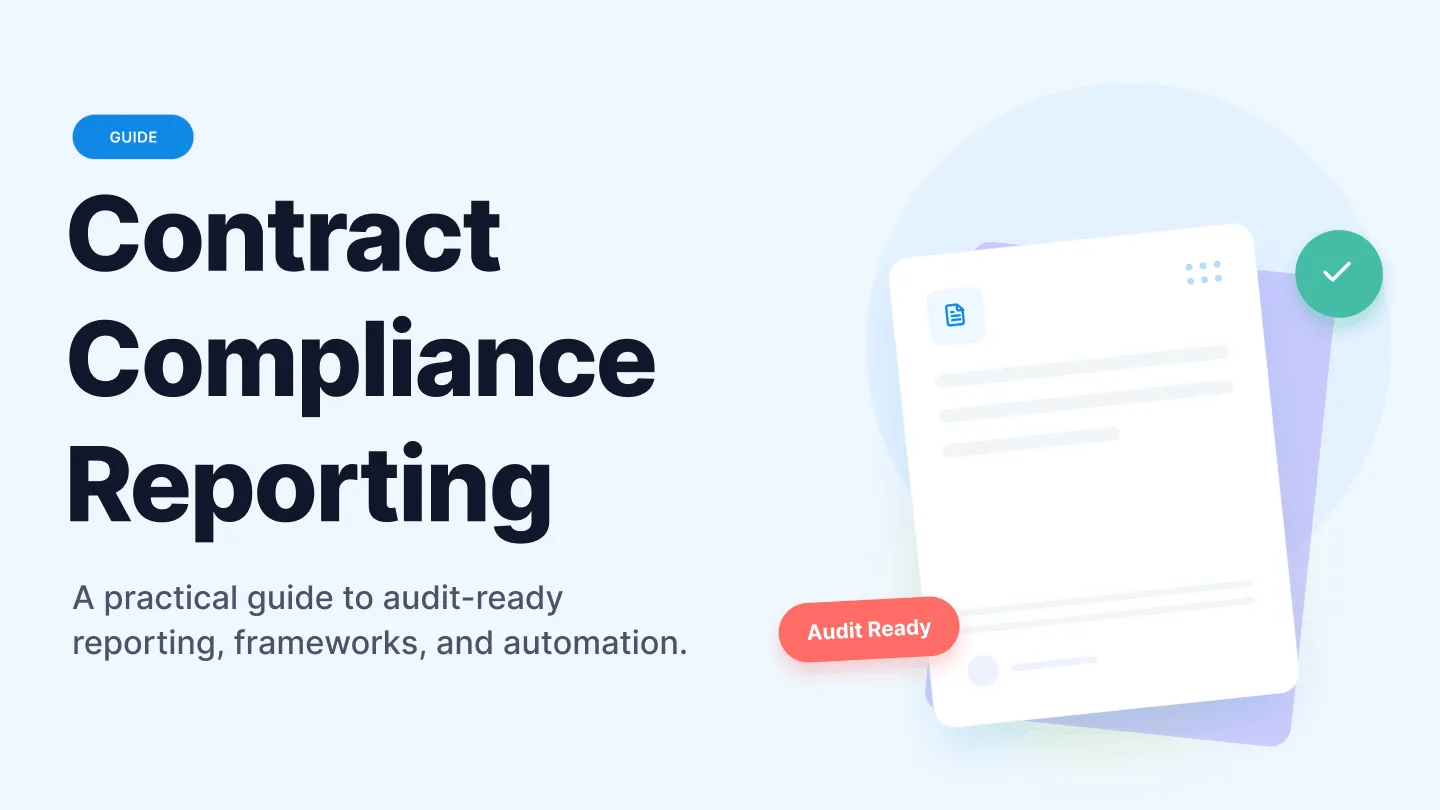
Contract compliance reporting closes those gaps. It turns clauses into tracked actions and highlights risks before they escalate.
This guide covers contract compliance reporting end to end. You’ll learn how to:
- Understand what contract compliance reporting is and why it matters in 2026, using real-world examples and shifting audit expectations
- Build a step-by-step compliance reporting framework, from obligation tracking to audit-ready documentation
- Apply automation to reduce manual checks, surface risks earlier, and keep reporting consistent as contract volumes grow
- Navigate industry-specific requirements while addressing common challenges and best practices for effective compliance reporting
- Use Signeasy to support compliance reporting through clean execution, intelligent repositories, dashboards, reports, and audit trails
What is contract compliance reporting?
Contract compliance reporting tracks whether contracts get followed in practice. It checks if each party meets what they agreed to.
This is done by monitoring deadlines, deliverables, service levels, and renewal terms. For example, it can confirm whether a vendor met an uptime SLA or submitted reports on time.
Why contract compliance reporting matters in 2026
In the 2010s, many organizations handled compliance reactively. For example, during a 2013 audit, Seattle’s Sound Transit discovered it had paid unnecessary fees and unverified costs. This was because contract terms and invoices were not actively tracked. The issues surfaced only after an external review, when the money was already gone.
That approach no longer works. In 2026, compliance reporting must show what is happening in real time, not what went wrong after the fact.
The following points explain why structured compliance reporting has become unavoidable in 2026:
1. Regulations tighten across industries
In finance, rules like the EU’s Digital Operational Resilience Act (DORA) push firms to prove third-party and vendor compliance with clear documentation.
In healthcare, stricter HIPAA enforcement means providers must show signed agreements, access controls, and reporting proof during audits. Without compliance reporting, teams struggle to produce evidence on demand.
2. High contract volumes increase SLA failures
LegalGPS reports that 67% of service contracts fail to meet their objectives, largely due to unclear or poorly tracked SLA obligations.
When credits are not monitored or applied on time, customers raise disputes later. The issue stems from the lack of reporting tied directly to contract terms.
3. Missed obligations create revenue leakage
In retail procurement, companies continue paying outdated rates because pricing review clauses go untracked. Finance teams only discover the issue during annual reviews, months after overpayments begin.
4. Auto-renewals weaken negotiating power
Technology firms frequently lose leverage when vendor contracts auto-renew without notice.
Once renewal triggers pass, teams accept higher rates for another year. Compliance reporting would have surfaced the renewal window earlier.
5. Audits escalate when proof is missing
Regulators care less about intent and more about evidence. When reports cannot show who owned an obligation and when it was fulfilled, audits expand in scope and duration.
The core components of compliance reporting
Good compliance reporting feels grounded in day-to-day work. Each component below tackles a common issue teams run into as contract volumes grow.
1. Obligation tracking
This answers a simple question: what needs to happen, and who owns it? A contract might require a vendor to submit monthly reports or renew insurance each year. Tracking keeps those tasks visible, so nothing depends on someone remembering.
2. Performance monitoring
Here, the focus shifts to delivery. Are service levels being met? In SaaS contracts, that means uptime and response times. In logistics, it means shipment accuracy. When performance slips, reporting catches it before customers escalate.
3. Risk insights
Most problems show up as small misses that feel harmless at first, such as a delayed approval or an unchecked pricing change. Reporting pulls those signals together so teams can act before the situation escalates.
4. Audit trails
Every signature, approval, and edit stays logged with clear timestamps. When auditors ask for evidence, teams show records instead of searching inboxes.
5. Document controls
Version confusion creates unnecessary risk. Central controls ensure teams work from the latest agreement, while amendments stay linked to the original contract. Older versions remain accessible but clearly marked.
6. Stakeholder reporting
Each team looks at compliance through a different lens. Legal tracks risk and deviations. Finance watches renewals and penalties. Procurement reviews vendor performance. Reporting delivers the right view without manual follow-ups. Signeasy's contract reporting tools make it possible to build these role-specific views without manual work.
Contract compliance reporting framework (step-by-step)
A lot of compliance issues don’t come from bad intent but from broken processes. This framework shows how teams move from scattered contract handling to consistent, repeatable reporting:
Step 1: Gather all contract data
Contracts often live in too many places (emails, shared drives, spreadsheets). That fragmentation makes reporting unreliable from the start.
Pulling all contracts into one system fixes this. Sales agreements, vendor contracts, renewals, and add-ons stay connected. Tools like Signeasy help by storing contracts as soon as they are signed, so teams always know which version is final.
Step 2: List all obligations
Read each contract for what needs to happen including deadlines, deliverables, and SLAs. For example, a supplier may need to submit monthly reports or maintain insurance coverage. Writing these out turns legal language into clear, trackable actions.
Step 3: Define reporting rules
Decide how compliance is tracked and reviewed. Who owns each obligation? How often are reports checked? What triggers escalation?
With the reporting rules, everyone knows when a missed deadline needs attention and who is responsible for acting on it.
Step 4: Build compliance dashboards
A dashboard might show upcoming renewals, overdue obligations, or vendors missing SLAs. This view helps teams prioritize work and catch issues early, instead of discovering them during audits or disputes.
Step 5: Validate data often
Validation checks what actually happened against what the contract allows. This may include comparing invoices to pricing terms or matching service reports to SLAs.
With contracts easily accessible in Signeasy, teams can quickly verify terms without searching across tools, which makes regular validation practical.
Step 6: Escalate deviations
Not every issue is urgent, but none should be ignored. For example, if a vendor submits a required report late, escalation ensures it is reviewed and resolved immediately. Early escalation keeps small misses from turning into larger problems.
Step 7: Run periodic reviews
Schedule reviews on a fixed cadence, such as monthly or quarterly. Use compliance reports to check obligation status and recurring deviations. Review these findings with legal, finance, and procurement.
Step 8: Document everything
Finally, keep records as part of the process. Approvals, exceptions, changes, and resolutions should all be documented.
This documentation becomes critical during audits, renewals, and disputes. Built-in audit trails, like those captured automatically in Signeasy, make compliance proof easy to produce when it’s needed.
Automation in contract compliance reporting
A 2024 study found that organizations using automated compliance workflows achieved a 60% improvement in compliance adherence and a 71% reduction in contract disputes.
Automation helps because monitoring does not stop when workloads increase. Reporting continues in the background and highlights issues as they arise, instead of weeks later.
The table below shows where automation makes the biggest difference and how Signeasy supports each step.
Industry-specific compliance requirements
Compliance reporting looks different depending on the industry. The obligations change and risks change. What stays the same is the need for clear visibility into whether contracts are being followed.
Below is how compliance reporting plays out across common industries:
1. Healthcare
Healthcare contracts come with strict privacy and reporting expectations. HIPAA rules require clear handling of patient data. Business Associate Agreements outline who can access what and under which conditions.
Reporting timelines also matter. Missed attestations or outdated agreements often surface during audits. Compliance reporting helps track signed BAAs, renewal dates, and reporting obligations before gaps turn into violations.
2. Finance
Financial services contracts carry heavy regulatory weight. AML and KYC obligations often sit inside vendor and partner agreements. Regulators expect documented proof that these requirements are enforced.
If compliance reporting cannot show when reviews happened or who approved controls, audits slow down and risk exposure increases. Reporting ties contract terms to audit-ready evidence.
3. Construction
Construction contracts center on safety standards, project milestones, permits, and subcontractor compliance. A missed inspection, expired license, or unverified insurance document can halt work or trigger penalties.
Compliance reporting helps track regulatory approvals, subcontractor obligations, and milestone sign-offs so issues are identified before they delay projects or escalate costs.
4. Education
Education contracts focus on data privacy, service delivery timelines, funding conditions, and accreditation requirements. During audits or reviews, institutions must demonstrate that contractual and regulatory obligations were met.
Without reporting, teams struggle to assemble proof across departments. Compliance reporting links delivery records and approvals to contract terms, reducing audit risk and administrative burden.
6. Government contracts
Government contracts leave little room for error. Deadlines are strict. Pricing controls are closely monitored and reporting formats are often predefined.
Missing documentation or late submissions can lead to penalties or contract termination. Compliance reporting ensures obligations stay visible and evidence is ready when requested. Understanding the full scope of government contract compliance is essential before building your reporting process.
Best practices for contract compliance reporting
Effective compliance reporting reflects operational discipline. The practices below focus on control, traceability, and audit defensibility:
1. Store every contract in one place
All contracts should be maintained in a single, authoritative repository. Base agreements, amendments, and renewals remain linked to each other. Compliance reporting always references the most current and approved version.
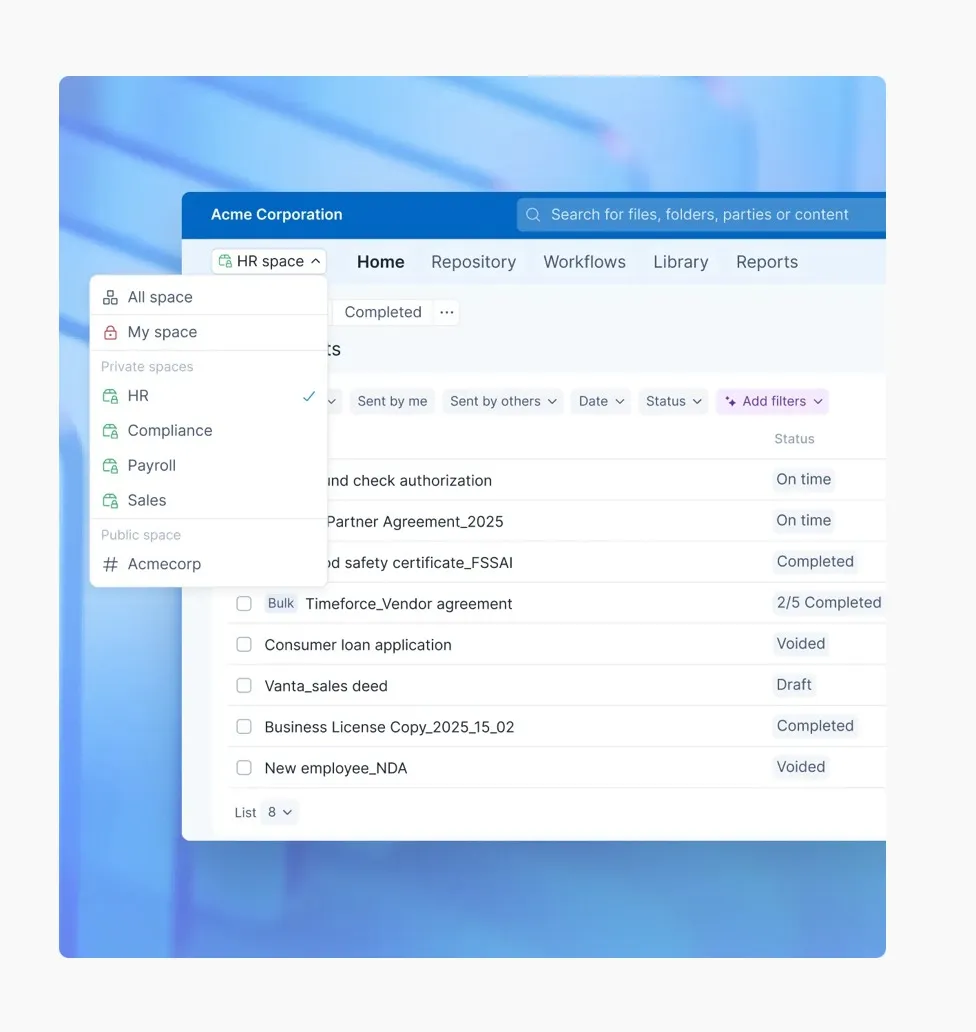
With Signeasy, executed contracts are stored automatically in the intelligent contract repository, creating a dependable foundation for compliance reporting.
2. Assign clear owners for each obligation
Each contractual obligation should be assigned to a specific owner. Ownership covers execution, monitoring, and escalation. This ensures obligations are actively managed throughout the contract lifecycle.
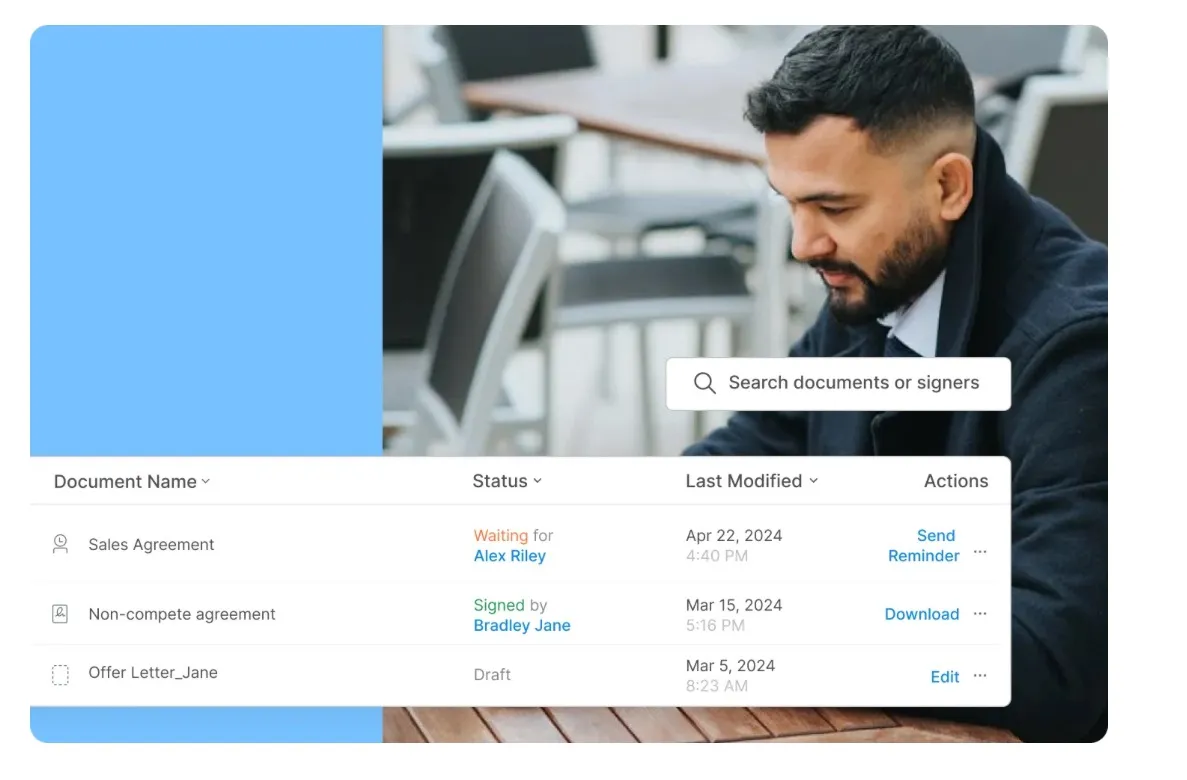
Signeasy dashboards show contract status and signer activity, which supports accountability during reviews.
3. Enable automated reminders and alerts
Automated reminders notify owners of upcoming deadlines, renewals, and reporting requirements. Alerts surface exceptions without manual tracking. Compliance activities stay aligned with contract timelines.

In Signeasy, notifications and status indicators highlight pending signatures and approvals. This helps teams keep execution aligned with compliance timelines and reduces downstream reporting gaps.
4. Run regular internal audits
Internal audits should review contract execution against documented obligations on a defined schedule. These reviews identify deviations and exceptions.
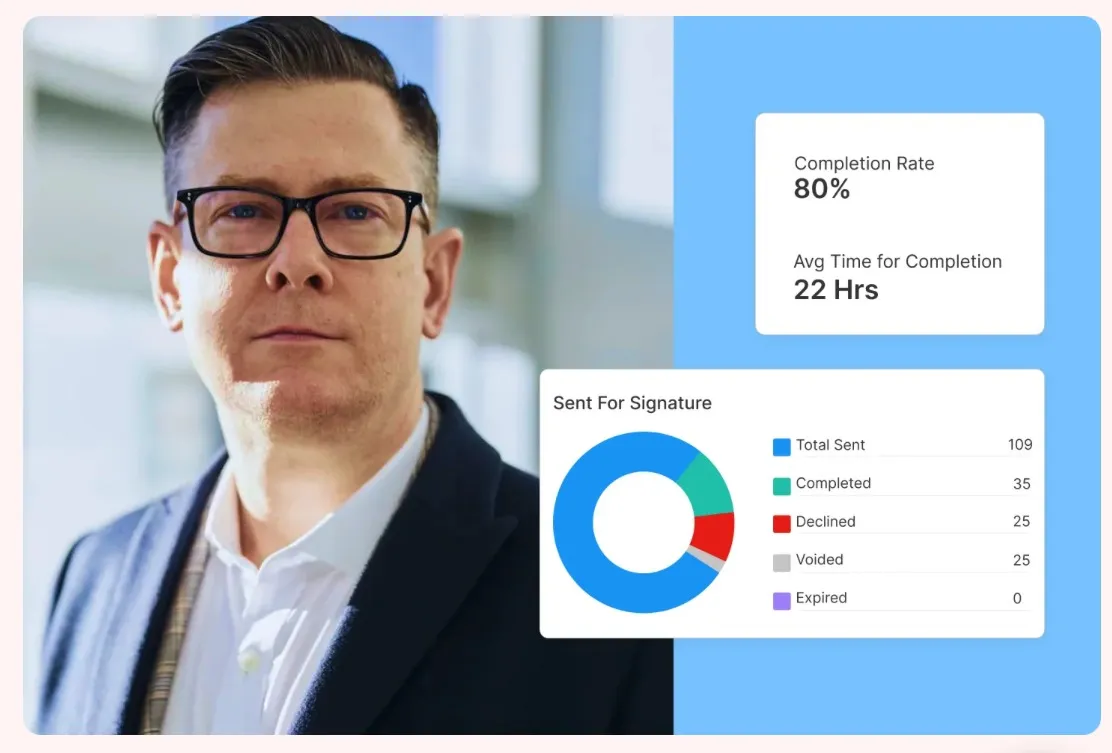
5. Share reports across teams
Compliance reports should be accessible to legal, finance, procurement, and leadership. This ensures all teams operate from the same data set and decisions remain aligned across the organization.
KPIs and metrics to measure compliance success
Compliance reporting only works when performance is measurable. For leadership, these metrics provide visibility into whether contracts are being executed as agreed, where risk is building over time, and how effectively teams respond when issues arise.
1. Obligation completion rate
This metric tracks the percentage of contractual obligations completed within the defined timeframe. It reflects how reliably teams execute deliverables, approvals, and reporting requirements across active contracts. A consistently high rate signals disciplined execution, while declines often point to process gaps rather than intent.
2. SLA adherence rate
SLA adherence measures how often service levels meet contractual thresholds, including uptime, response times, and delivery commitments. A declining rate usually indicates execution breakdowns or weak monitoring, even when contracts themselves are well written.
3. Deviation count per month
This metric captures how many obligations, approvals, or terms deviate from the contract in a given period. Tracking deviations over time helps surface patterns, such as recurring vendor delays, missed internal approvals, or unclear ownership.
4. Time to resolve issues
This measures how long it takes to address a compliance deviation once it is identified. Shorter resolution times indicate clear ownership and effective escalation. Longer timelines often signal ambiguity in accountability or fragmented handoffs between teams.
5. Audit readiness score
Audit readiness reflects how quickly teams can produce complete, verifiable compliance records. This includes signed agreements, approvals, amendments, and execution evidence. Strong readiness reduces disruption during audits and builds confidence with regulators and stakeholders.
6. Contract review cycle time
This metric tracks the time required to review and approve contracts or amendments. Extended cycle times can delay compliance checks and increase exposure, particularly during renewals, vendor changes, or regulatory reviews.
7. Renewal compliance rate
Renewal compliance measures how often contracts are reviewed before renewal deadlines. It shows whether notice periods, pricing reviews, and performance assessments happen as planned, rather than after renewal terms are locked in.
8. Risk-weighted deviations
Different compliance misses carry different levels of impact. Tracking deviations by severity or regulatory relevance helps leadership distinguish between minor process lapses and issues that pose financial, legal, or reputational risk.
9. Compliance-related financial exposure
This metric estimates the potential cost of non-compliance, including penalties, overpayments, missed service credits, or lost negotiation leverage. It connects compliance performance directly to business outcomes, making risk easier to prioritize.
Why these metrics matter together
Individually, each KPI highlights a specific weakness. Viewed together, they show whether compliance risk is isolated or systemic. Rising deviations combined with slower resolution times often signal the need for intervention before issues escalate into audits, disputes, or revenue loss.
Regulatory and security compliance underpinning contract execution
Strong compliance reporting depends on more than process discipline. It also requires confidence that the system used to execute contracts meets legal, regulatory, and security standards.
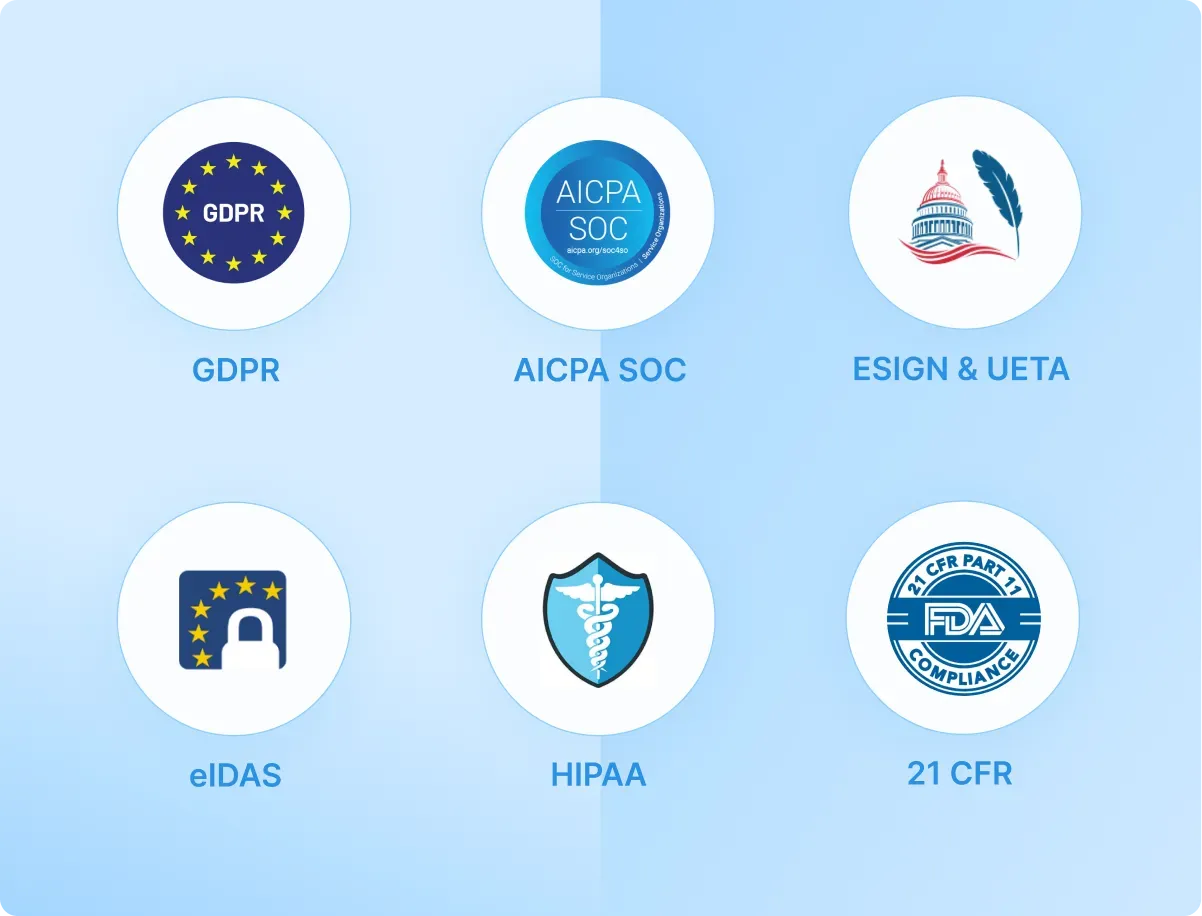
Signeasy provides this foundation by complying with widely recognized frameworks that govern electronic signatures, data protection, and auditability. These standards ensure that contracts entering compliance reporting workflows are legally valid, secure, and defensible from the start.
1. Legal validity of electronic signatures (ESIGN Act & UETA)
Signeasy complies with the U.S. ESIGN Act and UETA, which establish when electronic signatures and records are legally enforceable. This ensures signer intent, consent, and record retention requirements are met, so executed contracts can be relied on during audits, disputes, and compliance reviews.
2. EU and UK signature compliance (eIDAS)
Under eIDAS, electronic signatures must meet defined security and identity standards to be legally recognized across the EU and UK. Signeasy supports eIDAS-compliant signatures, enabling organizations to rely on a single execution process for cross-border agreements while maintaining audit-ready records.
3. Security and operational controls (SOC 2 Type II)
SOC 2 Type II certification confirms that Signeasy’s controls around security, availability, confidentiality, and processing integrity operate effectively over time. For compliance reporting, this ensures execution data, audit trails, and contract records remain reliable and tamper-resistant.
4. Data protection and privacy (GDPR)
GDPR compliance ensures personal data involved in contract execution—such as signer details and timestamps—is processed lawfully and securely. This reduces privacy risk when compliance reports include personal or sensitive information.
5. Healthcare data safeguards (HIPAA)
For healthcare-related agreements, Signeasy supports safeguards aligned with HIPAA requirements. This helps organizations demonstrate that both contract execution and related records meet healthcare compliance expectations during audits.
6. Regulated records and signatures (21 CFR Part 11)
For FDA-regulated organizations, Signeasy’s audit trails and record integrity controls support requirements under 21 CFR Part 11. This allows signed agreements to serve as reliable electronic records during inspections and regulatory reviews.
How Signeasy helps with contract compliance reporting
Signeasy supports contract compliance reporting at a critical point that often gets overlooked: execution. Many compliance gaps begin not after a contract is signed, but during signing and approvals.
At this stage, Signeasy helps ensure contracts are executed correctly the first time. Signers follow a defined sequence, and approvals move through the right order.
This approach reduces downstream compliance issues caused by incomplete signatures or improperly executed agreements.
The following capabilities show how Signeasy strengthens reporting by tightening control at the moment agreements are finalized and handed off:
- Ensures contracts are executed correctly the first time: Signing workflows enforce the correct order, required fields, and mandatory approvals. This prevents incomplete or improperly executed agreements from entering compliance and reporting workflows.
- Reduces informal workarounds with external parties: Vendors and customers can sign without account setup or complex steps. This reduces delays and avoids side agreements or email-based approvals that weaken compliance visibility.
- Establishes enforceability earlier in the lifecycle: Shorter signing cycles make obligations enforceable sooner. Compliance reporting starts from a valid, signed agreement rather than a pending draft or informal approval.
- Creates clean handoffs between execution and oversight: Signed contracts flow directly into downstream processes without re-uploading or manual checks. This reduces gaps between what was agreed and what gets monitored.
- Improves adoption across business teams: Sales, legal, finance, and procurement use the same signing flow with minimal training. Higher adoption reduces off-system contracts and improves reporting completeness.
- Supports controlled scaling without disruption: Teams introduce Signeasy into existing workflows without replacing core systems. Compliance processes scale steadily as contract volume grows.
- Strengthens governance at the point of agreement: Approval sequencing and execution controls ensure contracts meet internal policy before becoming active. This limits downstream exceptions that complicate compliance reporting.
See how Signeasy helps you stay audit-ready as contracts scale. Start Free Trial.