



Did you know 55% of organizations identify procurement fraud as a significant concern in their region, while only a small share actively uses tools designed to detect or prevent it?
Paper-based documents and offline approvals remain common starting points for many fraudulent activities. As these processes continue, organizations face greater financial strain and a growing need for stronger audit trails and clearer supplier accountability. Across procurement teams, the way documents move through workflows gradually shapes overall operational risk.
Adding one structured compliance step, such as secure digital approvals with audit trails, strengthens accountability and improves visibility across procurement contracts.
In this guide, we will cover:
- What procurement contract compliance means in practical business terms
- Key compliance types, challenges, and metrics procurement teams should understand
- Practical best practices and digital workflows that help procurement teams maintain secure, audit-ready procurement contract compliance with Signeasy
What is procurement compliance?
Procurement compliance is the practice of governing purchasing activities, vendor agreements, and contract execution so they remain aligned with internal policies, regulatory requirements, and negotiated obligations.
Through defined oversight, it brings structure to how procurement decisions move through approvals, documentation, and ongoing monitoring across the contract lifecycle.
Why procurement compliance is important
- Strengthens financial control by ensuring contracts reflect approved pricing, payment terms, and procurement policies.
- Supports audit readiness through documented approvals, traceable changes, and consistent recordkeeping.
- Builds supplier accountability by aligning vendor obligations with enforceable contract terms.
- Improves cross-functional alignment between procurement, legal, and finance through standardized workflows.
- Enhances operational visibility so leaders can track commitments, renewals, and compliance performance across vendors.
Key types of compliance in procurement
Each compliance category reflects a specific operational focus within procurement. Looking at them side by side helps teams understand where oversight applies across contracts, vendors, and regulatory requirements.
- Contract compliance in procurement focuses on ensuring agreements reflect approved pricing, negotiated obligations, and execution standards throughout the contract lifecycle.
Procurement teams often review delivery timelines and payment milestones against the final signed contract to maintain alignment with negotiated terms.
- Supplier and vendor compliance centers on onboarding requirements, certifications, and ongoing eligibility standards that vendors must maintain.
A procurement manager may validate insurance documents and updated compliance certifications before activating a supplier agreement.
- Regulatory compliance aligns procurement activities with industry regulations and public procurement rules.
Government contractors maintain documented approval trails that support audits and demonstrate adherence to regulatory expectations.
- Internal policy compliance ensures purchasing decisions follow organizational approval workflows and budget controls.
Contracts that exceed defined spending thresholds move through finance and legal sign-off before execution.
Suggested read: The complete guide to contract compliance reporting in 2026
Procurement compliance metrics to track
Tracking the right procurement compliance metrics helps leaders understand how contracts move through approval workflows and where operational risk may increase.
Clear measurement brings visibility into performance, accountability, and audit readiness across procurement activities.
Read more: How to track contract compliance: A simple guide
Common procurement compliance challenges
Procurement compliance evolves alongside business growth, vendor expansion, and changing operational priorities. Even well-structured teams encounter challenges that affect how consistently contract compliance in procurement is maintained.
1. Decentralized purchasing decisions
Different departments may initiate vendor agreements independently, which creates parallel approval paths and inconsistent documentation. A marketing team onboarding a new agency outside the standard procurement workflow can introduce contracts that lack proper policy alignment.
2. Limited visibility into contract changes
Contract terms often evolve during negotiations, and tracking revisions across versions becomes difficult without structured oversight. A supplier revises delivery terms late in the process, and the final signed agreement reflects updates that stakeholders did not fully review.
3. Delayed renewal management
Procurement teams handle multiple vendor relationships at once, which makes it challenging to monitor expiration dates across contracts. A service agreement renews automatically at updated pricing because stakeholders did not receive timely reminders to reassess terms.
4. Misalignment between procurement and finance workflows
Procurement approvals may move forward while finance teams rely on separate processes for payment validation. A contract reaches signature before budget verification is completed, creating downstream reconciliation challenges.
5. Supplier documentation gaps
Vendors submit compliance documents at different intervals, which affects onboarding consistency and audit readiness. A supplier agreement progresses to execution while required certifications remain pending, increasing compliance risk during later reviews.
Addressing these challenges requires more than reactive fixes; procurement teams benefit from building structured frameworks that bring consistency, visibility, and accountability into everyday contract workflows.
See how high-growth teams manage contracts at scale
Managing procurement and partner agreements becomes more complex as organizations grow. Companies like Rappi use Signeasy to handle large volumes of contracts through structured workflows and faster approvals, helping teams maintain consistency across expanding operations.
→ Read the Rappi case study
Best practices for building a procurement compliance framework
Strong procurement compliance frameworks begin with clear structure and consistent operational habits. When procurement, legal, and finance teams align around shared workflows, compliance becomes part of everyday execution rather than a separate review stage.
1. Establish governance that connects procurement, legal, and finance
Procurement decisions influence budgets, supplier relationships, and contractual risk, which makes cross-functional governance essential.
Clear ownership of approvals, defined escalation paths, and documented responsibilities help teams move contracts forward while maintaining accountability across stakeholders.
2. Create structured contract lifecycles
A well-defined lifecycle brings consistency to how agreements move from drafting to execution. Procurement teams benefit from setting clear review stages, maintaining version control, and defining renewal checkpoints early in the process.
Structured lifecycles give leadership better oversight into commitments and timelines tied to vendor agreements.
3. Maintain continuous oversight of vendor commitments
Procurement compliance extends beyond signing. Teams monitor delivery obligations, payment milestones, and renewal timelines to ensure agreements remain aligned with organizational goals.
Ongoing visibility into contract progress supports proactive decision-making and strengthens supplier management practices.
4. Build documentation discipline into procurement workflows
Consistent recordkeeping supports audit readiness and reinforces policy adherence across departments. Standardized documentation practices help teams track approvals, capture negotiation history, and maintain clarity around contractual obligations.
When documentation becomes an integrated part of procurement workflows, compliance remains visible throughout the contract lifecycle.
These practices establish a procurement compliance framework that brings greater operational clarity, encourages stronger collaboration across departments, and supports confident decision-making throughout the contract lifecycle.
Strengthening procurement compliance through security and trust
Procurement compliance depends on secure processes that protect contract integrity and maintain clear accountability across stakeholders. As procurement teams manage sensitive vendor agreements and regulated documentation, security controls become a core part of how compliance is maintained throughout the contract lifecycle.
Signeasy supports this foundation with features designed to help teams manage risk while keeping procurement workflows structured and transparent.
1. Maintain audit-ready procurement records
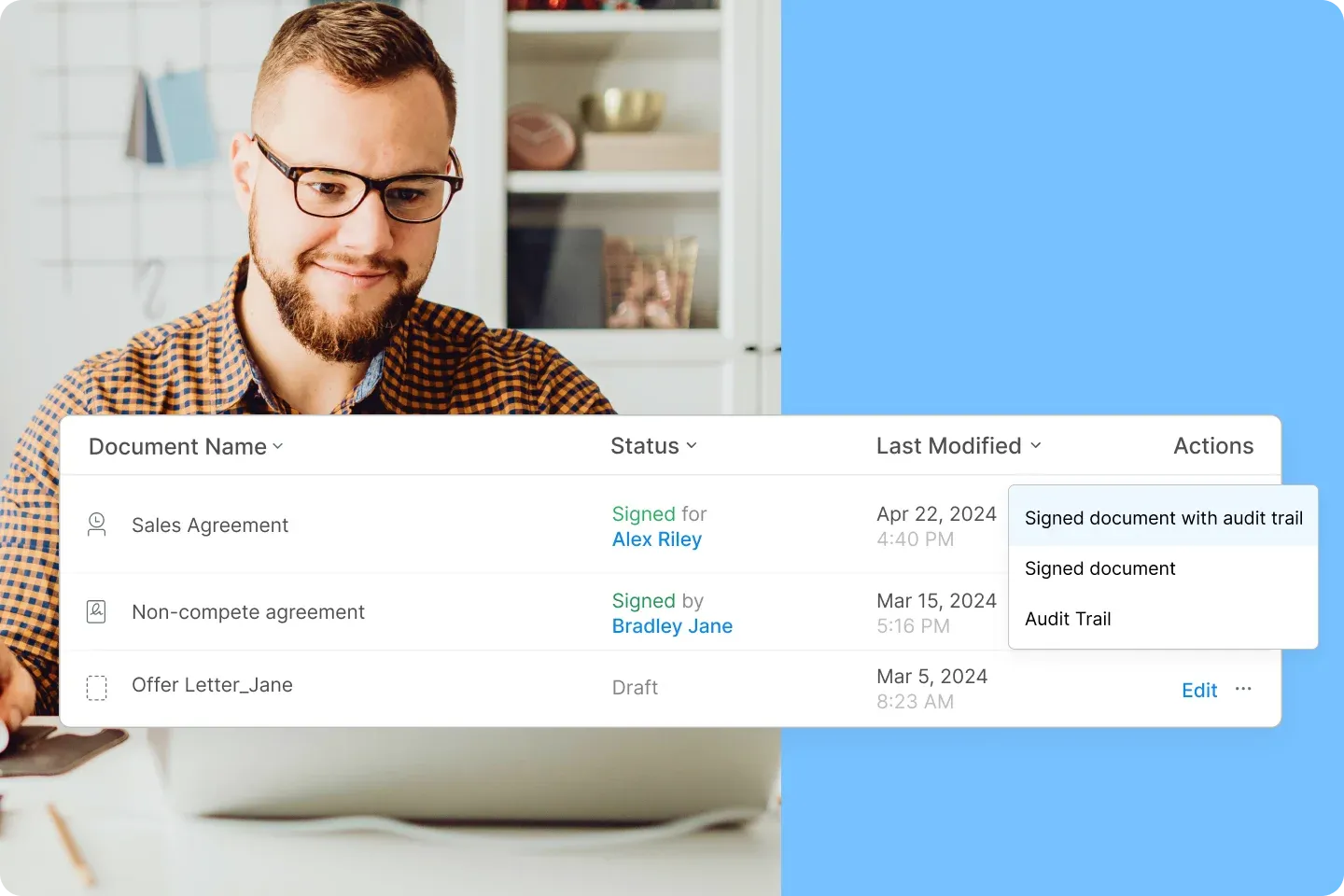
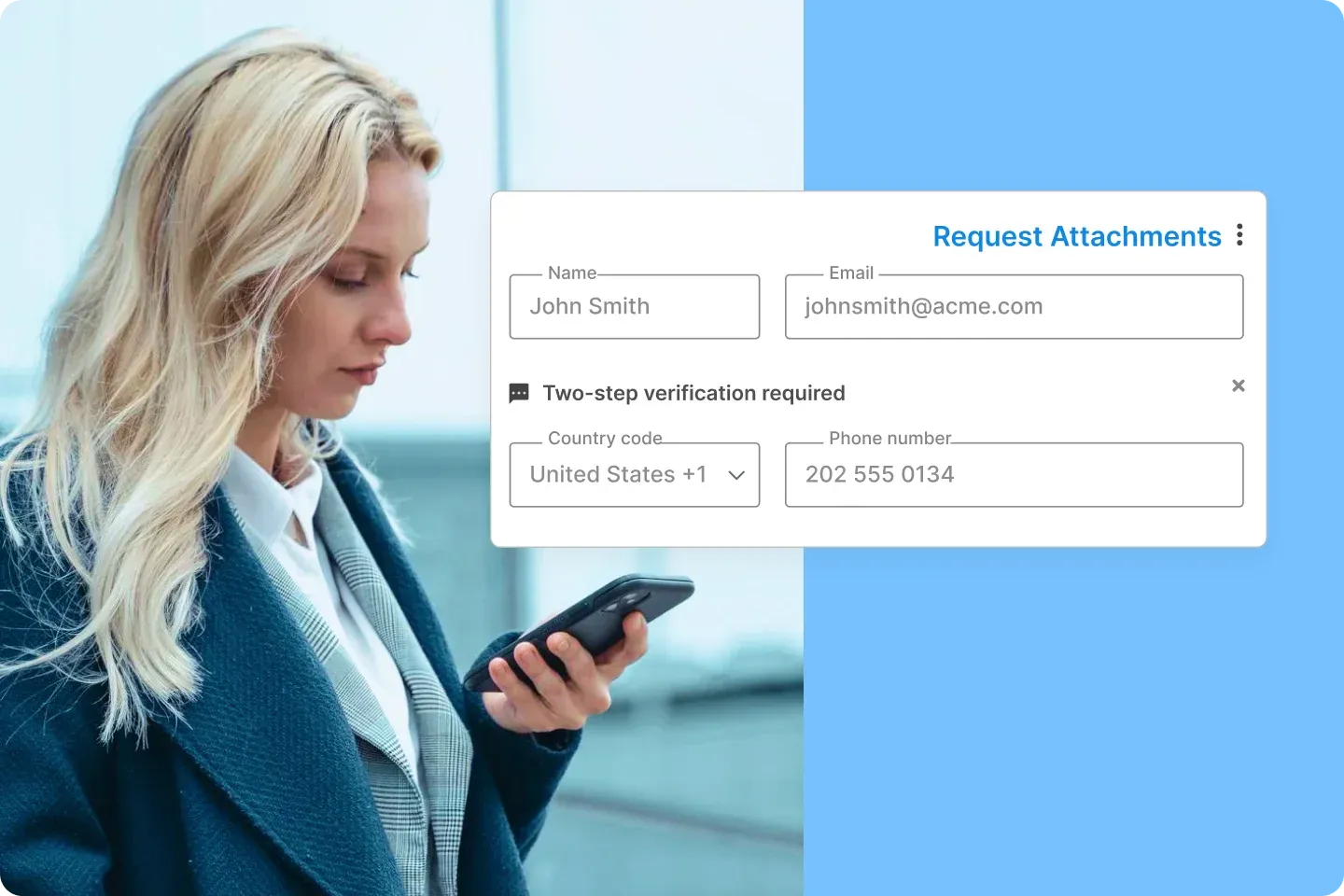
Detailed audit trails capture every action taken on a document, from creation to final signature.
Timestamped activity logs and signer authentication details provide procurement teams with verifiable records that support internal reviews and regulatory audits.
Caption:
Alt text:
2. Strengthen access control across procurement teams
Procurement contracts often involve confidential pricing and supplier information, which makes controlled access essential.
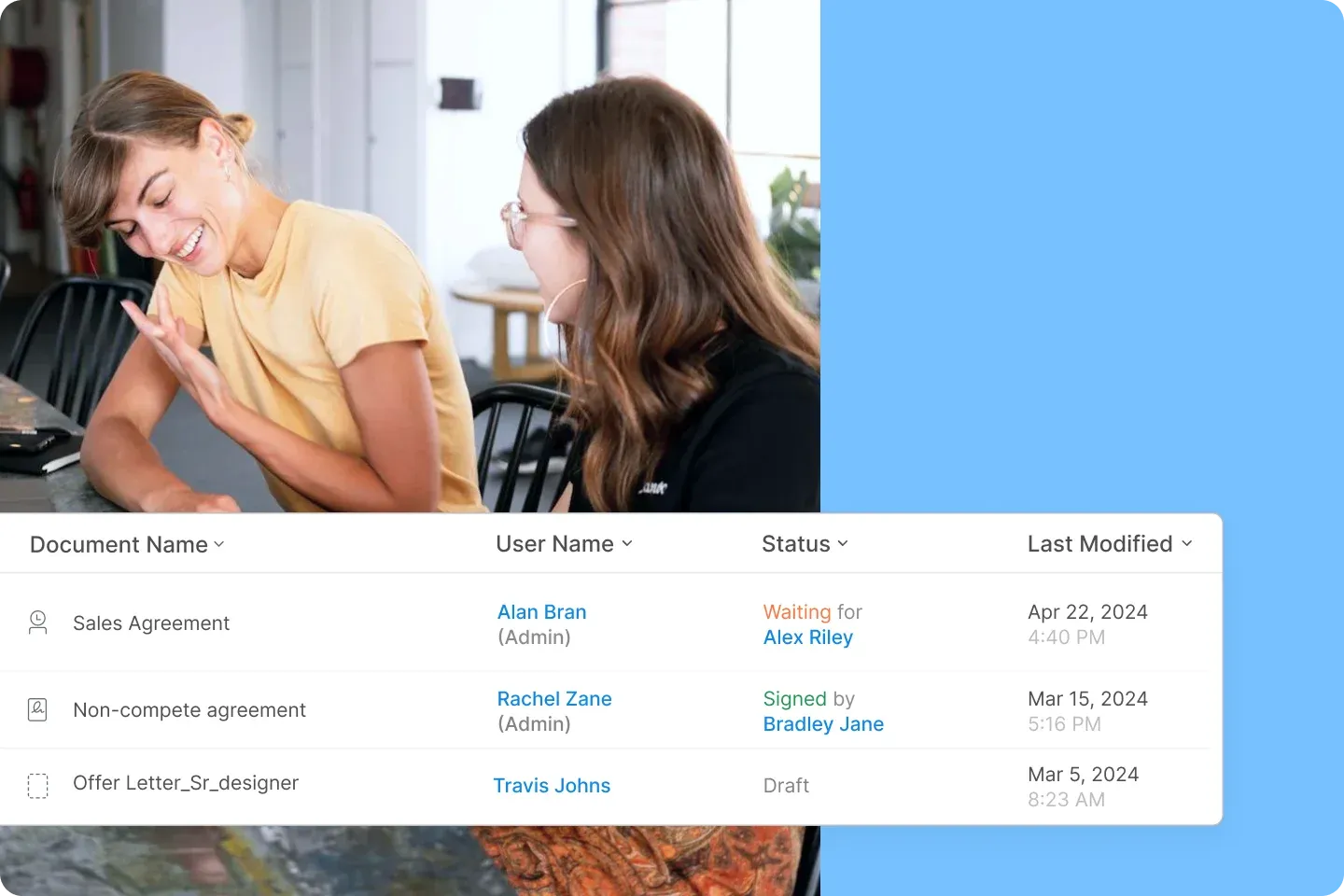
Signeasy supports role-based permissions, single sign-on, and two-factor authentication to help organizations manage who can view, edit, or sign agreements at each stage of the process.
Read More: Introducing two-factor authentication (2FA): Strengthen your Signeasy account security
3. Support global eSignature compliance standards
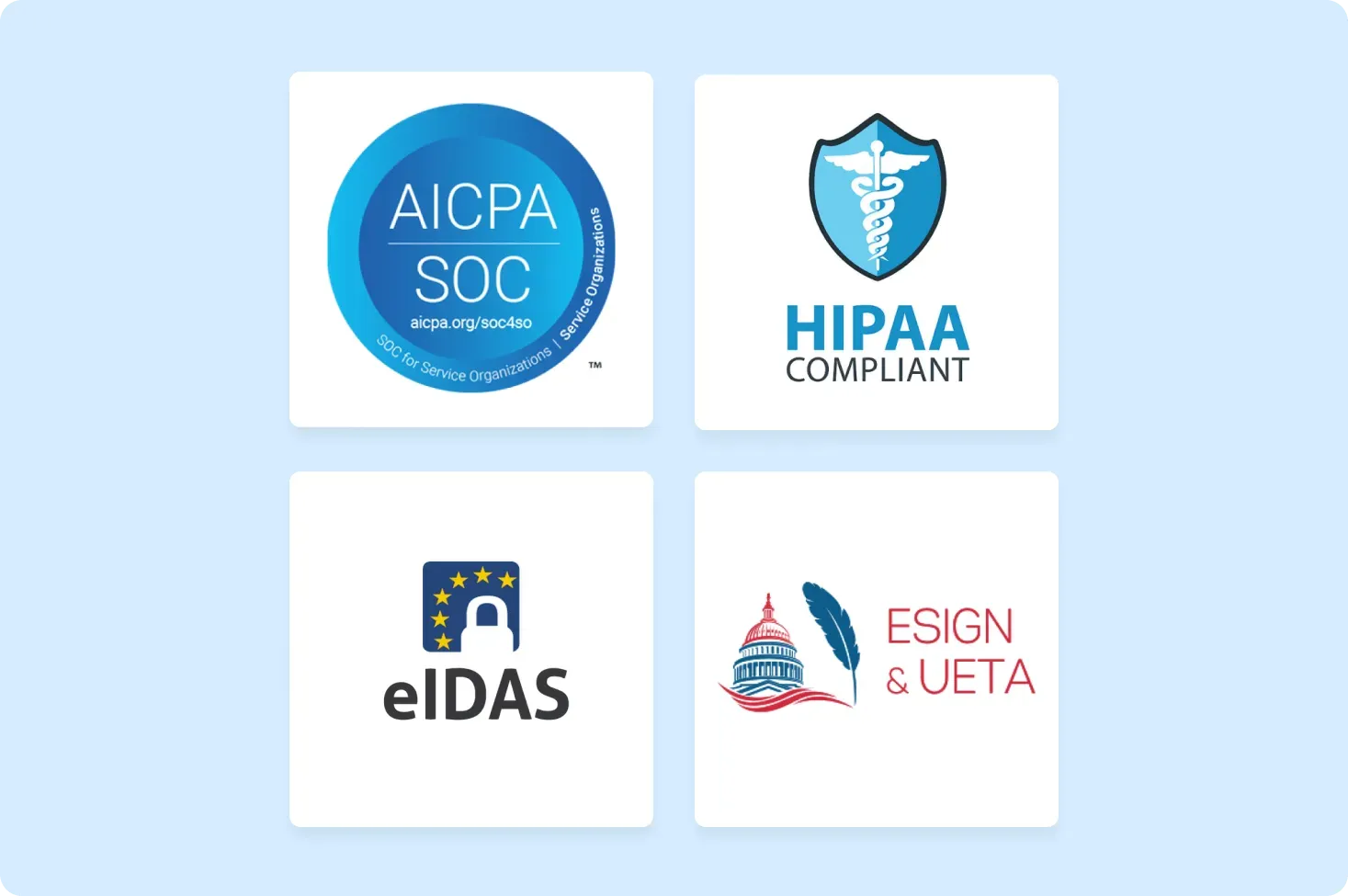
Organizations working with international suppliers rely on signatures that meet recognized legal frameworks. Signeasy aligns with standards such as ESIGN, UETA, and eIDAS while maintaining SOC 2–aligned security practices, helping procurement teams maintain confidence in the legality and integrity of signed agreements.
3. Protect vendor agreements with enterprise-grade security
Encryption protocols and secure document handling practices help safeguard procurement contracts throughout their lifecycle.
With structured security controls in place, procurement teams can maintain procurement contract compliance while ensuring agreements remain protected and traceable.
How Signeasy supports procurement compliance
Once procurement teams define governance and workflows, the next step involves applying tools that bring structure and visibility to daily contract execution.
Signeasy supports procurement compliance by helping teams manage agreements through automated workflows, secure signatures, and real-time tracking. These capabilities align with established procurement processes and bring greater structure to contract execution.
1. Automate contract routing and approval workflows
Procurement agreements often move across multiple stakeholders before execution. Signeasy helps teams automate how documents progress through approvals, allowing contracts to follow predefined signing sequences with reminders that keep timelines on track. Automated routing reduces manual coordination and supports consistent documentation at every stage of the contract lifecycle.
2. Standardize procurement agreements with templates and structured signing
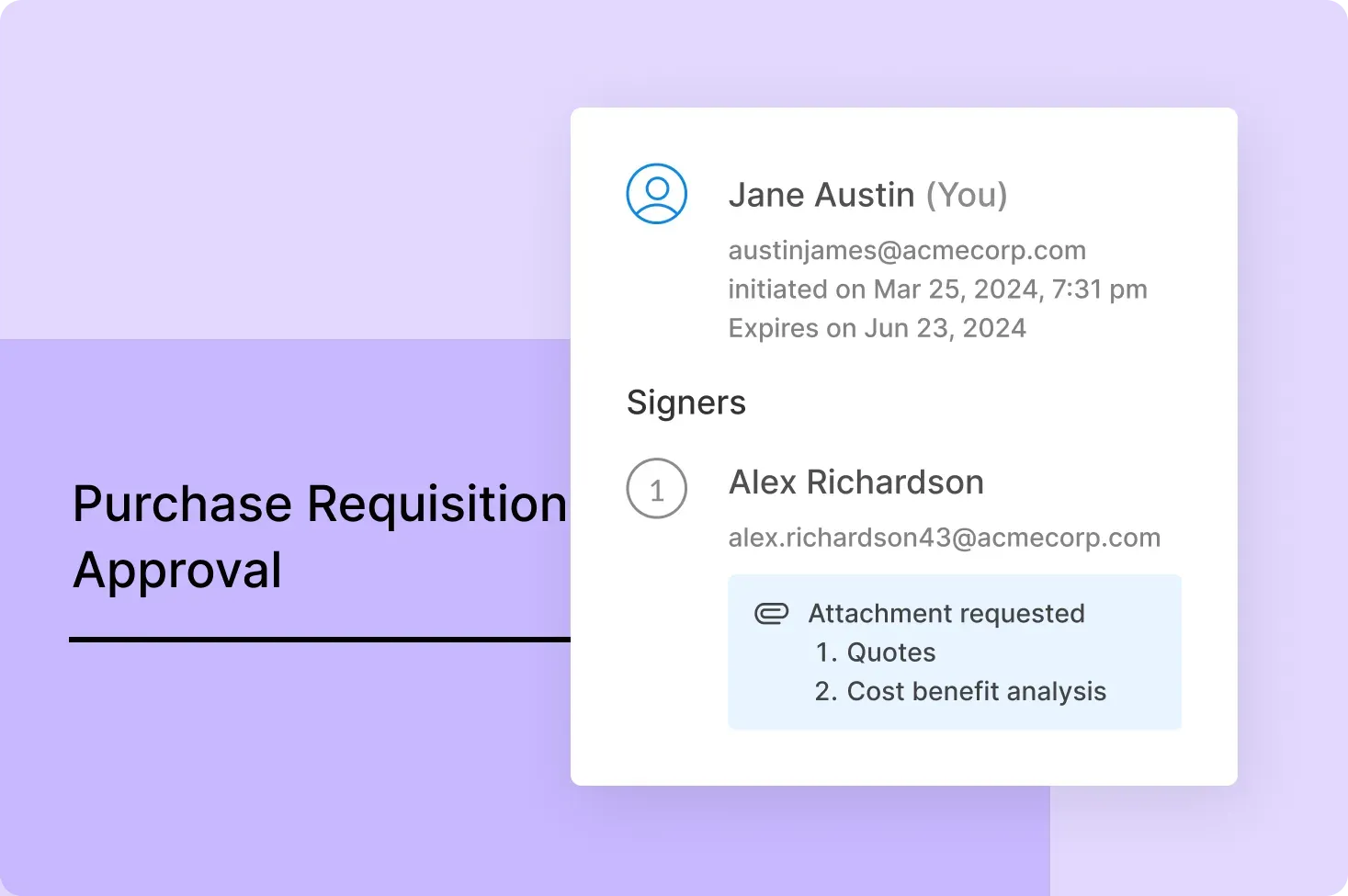
Consistency plays a central role in procurement compliance. Signeasy allows teams to create reusable templates with predefined fields and signer roles, which helps maintain alignment with internal policies while accelerating contract preparation.
Structured signing workflows also allow procurement teams to request supporting documents within the same signature request, strengthening recordkeeping without disrupting the process.
3. Maintain real-time visibility into contract progress
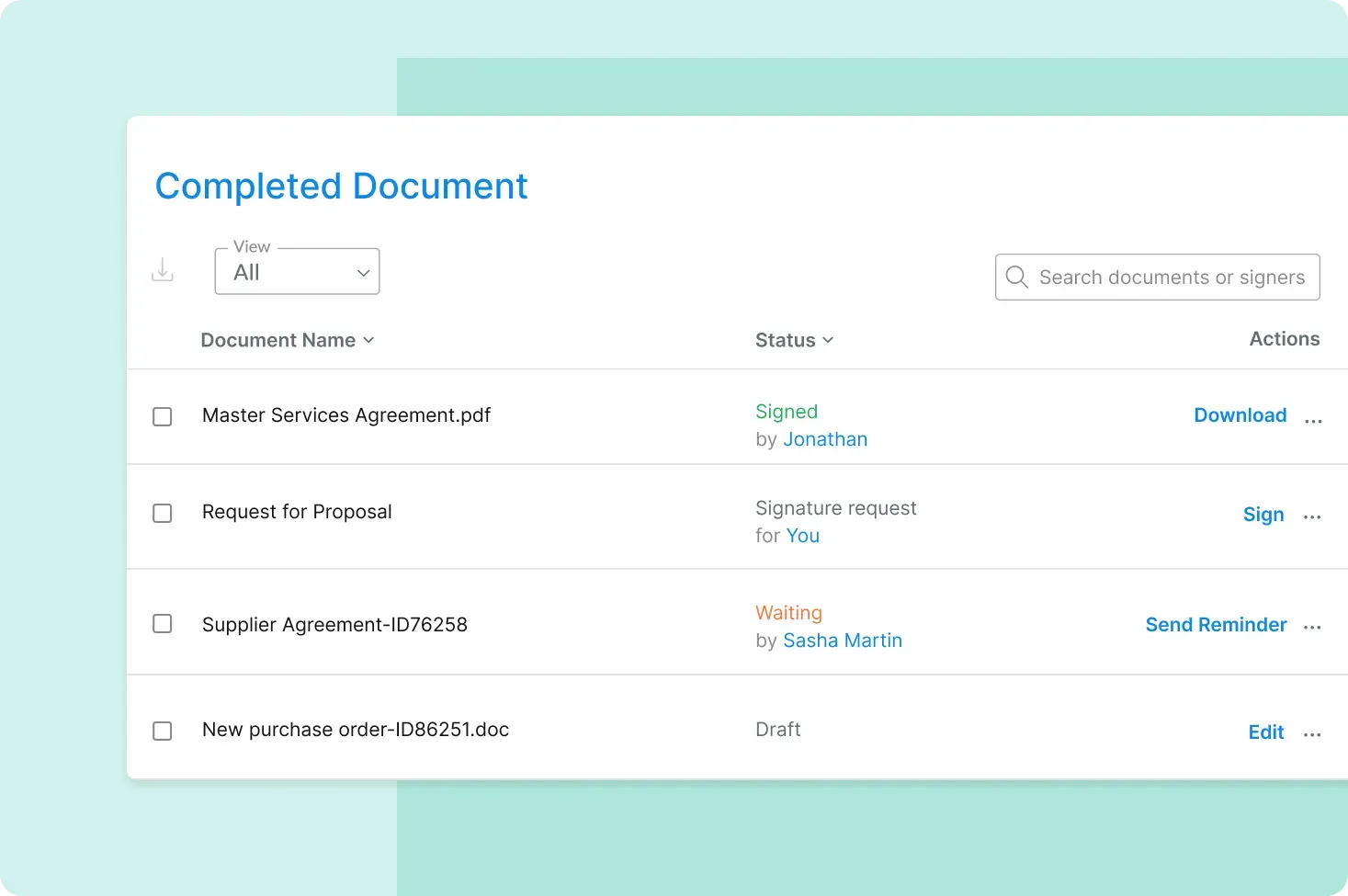
Procurement leaders benefit from understanding where agreements stand and who holds the next action. Signeasy provides tracking and status updates that give teams clear insight into contract movement.
This visibility helps procurement teams follow up with internal stakeholders and suppliers while maintaining transparency across procurement activities.
4. Integrate procurement workflows into existing business tools
Procurement work happens across communication platforms, document repositories, and collaboration apps. Signeasy integrates with tools such as Microsoft Teams, Outlook, and Google Workspace, which allows contracts to be sent, signed, and tracked within familiar environments.
This integration supports adoption across departments and keeps compliance workflows connected to everyday operations.
Bringing procurement compliance into everyday practice
Procurement compliance brings structure to how organizations manage vendor agreements, approvals, and contractual risk. With clear frameworks and consistent execution, procurement teams gain stronger visibility into contracts while supporting audit-ready operations.
Beyond compliance workflows, Signeasy supports growing teams through transparent pricing that scales with business needs, responsive customer support that helps teams onboard quickly, and evolving automation and AI capabilities that simplify document preparation and decision-making.
These added advantages help organizations maintain momentum as procurement processes expand across departments and regions.
See procurement compliance in action. Start your free Signeasy trial today.