



While getting a federal contract is a big step forward for your organization, it also introduces a new level of responsibility. Compliance becomes an active, ongoing function that supports how contracts are documented, how approvals move across teams, and how records stay organized and audit-ready over time.
Strong compliance habits shape daily workflows and influence how confidently teams manage federal relationships.
Federal contractors today work within several overlapping requirements. GSA Schedule obligations, FAR and DCAA documentation standards, and OFCCP affirmative action rules often run in parallel, touching legal, HR, finance, and operations at the same time. Many organizations manage these areas in separate tracks, which increases administrative load and slows coordination.
A clearer, structured approach focuses teams on specific actions such as maintaining current pricing and contract modifications, tracking signed approvals with audit trails, keeping affirmative action documentation updated, and aligning reporting schedules across departments.
In this guide, we discuss:
- A unified federal contract compliance checklist covering GSA Schedule, FAR and DCAA, and OFCCP requirements.
- Practical guidance on organizing records, managing compliant signatures, and maintaining reporting timelines.
- Clear steps for onboarding, post-award management, audit readiness, and ongoing documentation.
Why does federal contract compliance matter?
Federal contract compliance shapes how smoothly your organization gets paid, passes audits, and maintains long-term eligibility for government work. Enforcement activity shows how closely agencies review contractor practices.
In fiscal year 2025, False Claims Act settlements and judgments exceeded $6.8 billion, with 1,297 whistleblower lawsuits filed and hundreds of new investigations opened. These actions often relate to pricing disclosures, reporting accuracy, unsupported costs, or missing contract documentation.
Compliance connects directly to payments and audit readiness
Federal agencies expect clear, verifiable records behind every invoice, pricing update, and contract modification. DCAA reviews cost documentation and timekeeping approvals. GSA monitors sales reporting and Industrial Funding Fee submissions.
When signatures, pricing records, or contract files stay organized, teams move through reviews with fewer delays and clearer outcomes.
Multiple requirements run at the same time
GSA Schedule reporting focuses on accurate sales tracking and contract updates. FAR clauses guide procurement practices and documentation standards. OFCCP rules require affirmative action plans and workforce data records.
Legal, HR, finance, and operations teams contribute to these requirements together, which makes alignment across departments essential.
Clear documentation keeps compliance manageable
Federal contractors maintain signed agreements, track contract changes, and store audit-ready records for agency reviews.
Structured approval workflows and centralized document storage give teams visibility into what is signed, what is pending, and what supports reporting requirements. This level of clarity helps organizations manage GSA Schedule obligations, FAR documentation, and OFCCP reporting in a consistent, repeatable way.
These workflows can also connect with tools like Google Workspace and Microsoft 365, helping teams manage compliance documents within their existing systems.
Key federal compliance authorities at a glance
- GSA (General Services Administration): Manages GSA Schedule contracts and oversees pricing, sales reporting, contract modifications, and Industrial Funding Fee (IFF) payments.
- FAR (Federal Acquisition Regulation): Defines the core rules that govern how federal contracts are structured, performed, and documented across all agencies.
- DCAA (Defense Contract Audit Agency): Reviews accounting systems, cost documentation, and financial records to confirm that contract charges meet federal standards.
- OFCCP (Office of Federal Contract Compliance Programs): Enforces affirmative action and equal employment opportunity requirements for federal contractors through workforce reporting and compliance evaluations.
What regulations must federal contractors comply with?
Federal contractors work within several regulatory frameworks that guide pricing, documentation, workforce reporting, and ongoing contract management. Understanding what each area covers helps teams organize compliance responsibilities before building a unified checklist.
1. GSA Schedule compliance requirements
GSA Schedule compliance focuses on maintaining accurate contract terms and consistent post-award reporting throughout the life of the agreement.
- Submit regular sales reports through the FAS Sales Reporting Portal.
- Track and pay the Industrial Funding Fee (IFF) based on reported sales.
- Monitor the Price Reductions Clause and maintain approved pricing relationships.
- Process contract modifications for updated products, services, or pricing.
- Maintain authorized negotiator approvals and current pricelists.
2. FAR and DCAA compliance checklist basics
FAR requirements shape how contracts are structured, while DCAA oversight focuses on financial documentation and audit readiness.
- Maintain signed contract clauses and approved procurement documentation.
- Follow cost accounting standards and retain supporting expense records.
- Document timekeeping approvals and labor distribution practices.
- Keep subcontractor agreements and change orders properly executed.
- Store audit-ready records that align with contract performance.
3. OFCCP compliance requirements for affirmative action
OFCCP rules apply to workforce practices and require contractors to maintain clear employment and reporting documentation.
- Maintain current Affirmative Action Programs (AAPs).
- Track workforce demographics and hiring activity data.
- Preserve signed policy acknowledgments and nondiscrimination statements.
- Prepare documentation for potential compliance evaluations or reviews.
- Coordinate HR and legal teams around reporting timelines.
4. Federal contractor reporting requirements in 2026
Federal agencies expect structured digital records supported by validated signatures and clear retention practices.
- Maintain secure digital contract files with version history.
- Use verifiable electronic signatures for approvals and modifications.
- Follow retention timelines aligned with contract clauses.
- Organize records so teams can respond quickly to agency requests.
- Align documentation across GSA Schedule, FAR, and OFCCP obligations.
The complete federal contract compliance checklist
This section brings GSA Schedule, FAR and DCAA, and OFCCP requirements into one operational checklist. Use it to track actions across onboarding, post-award management, audit preparation, and ongoing reporting.
1. Pre-award documentation and onboarding
2. GSA Schedule post-award checklist
3. FAR and DCAA audit readiness checklist
4. OFCCP affirmative action compliance checklist
5. Ongoing federal contractor reporting and record-keeping
Common compliance mistakes federal contractors make
Federal enforcement trends continue to shape how contractors manage everyday compliance work. The Office of Federal Contract Compliance Programs set the 2025 VEVRAA veteran hiring benchmark at 5.1%, reflecting ongoing expectations around workforce reporting and affirmative action tracking.
At the same time, increased audit activity and evolving FAR requirements place closer attention on how contractors document approvals, maintain records, and align contract updates with reporting obligations.
These patterns show that many compliance gaps appear during execution rather than during policy planning.
1. Treating reporting and contract updates as separate activities
Some teams update internal pricing or service offerings while the official GSA pricelist remains unchanged, which creates inconsistencies during sales reporting reviews. A contract modification approved internally but never reflected in the awarded contract file leaves documentation incomplete when agencies request verification.
2. Using inconsistent signing methods across contract documents
Signing subcontract agreements through one tool while contract changes move through email approvals makes it harder to demonstrate a consistent audit trail. During reviews, agencies look for verifiable signatures tied directly to the final contract version rather than scattered approval chains.
3. Maintaining workforce documentation without clear version control
HR teams may update affirmative action policies each year while older acknowledgments remain stored across multiple folders. During an OFCCP evaluation, incomplete version history makes it difficult to confirm when policies were distributed and accepted.
4. Keeping financial support files disconnected from contract records
Finance teams sometimes maintain cost documentation separately from signed agreements or change orders. Labor charges tied to one contract version while amendments sit in another system slow down DCAA reviews and require additional reconciliation before audits move forward.
How Signeasy simplifies federal contract compliance
Federal contract compliance depends on consistent documentation, verified approvals, and secure record-keeping across teams.
Signeasy supports these operational needs as an AI-powered contract management and eSignature platform, helping contractors manage contracts, signatures, and reporting documents through structured workflows that align with GSA Schedule, FAR/DCAA, and OFCCP expectations.
1. Legally compliant eSignatures with audit trails
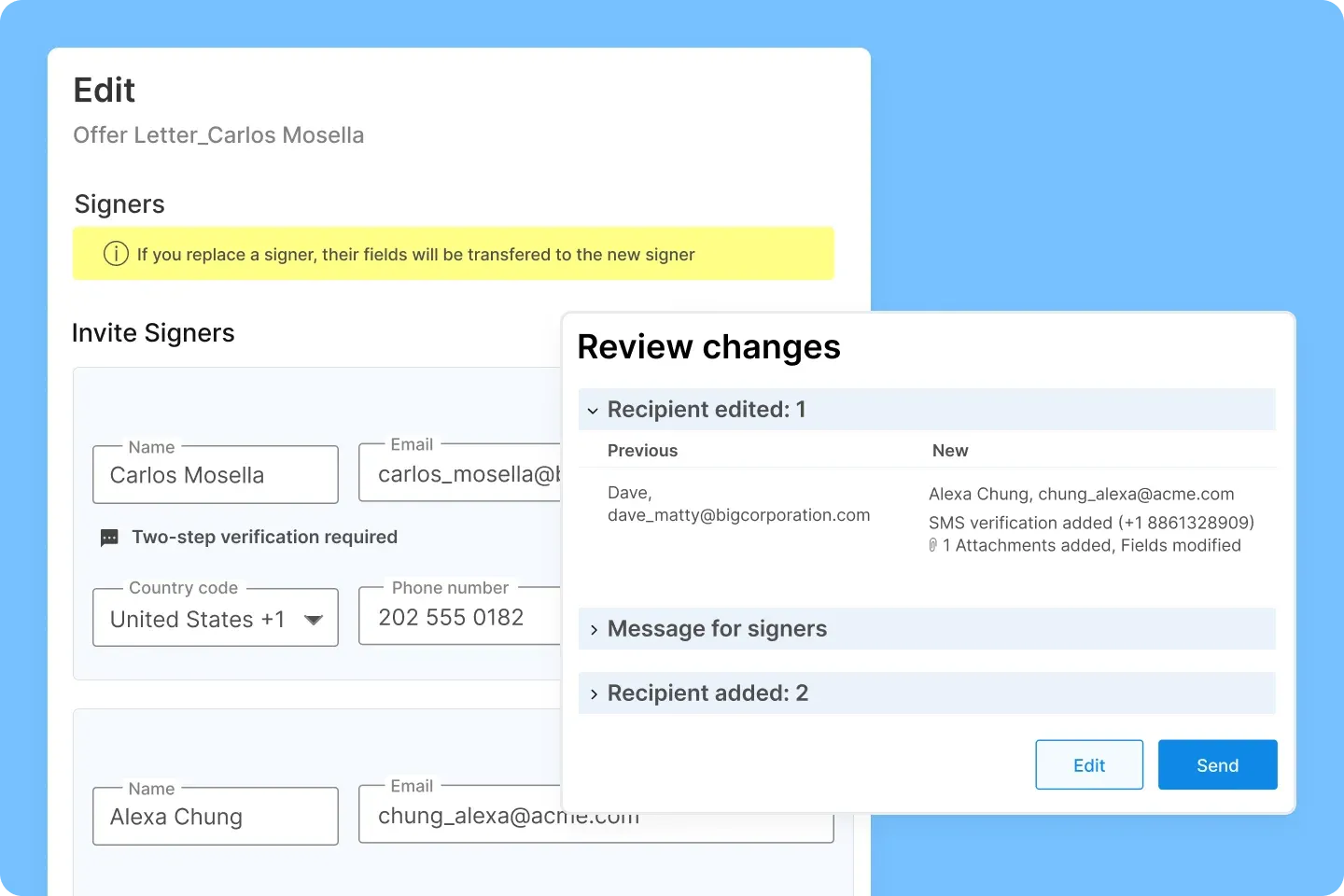
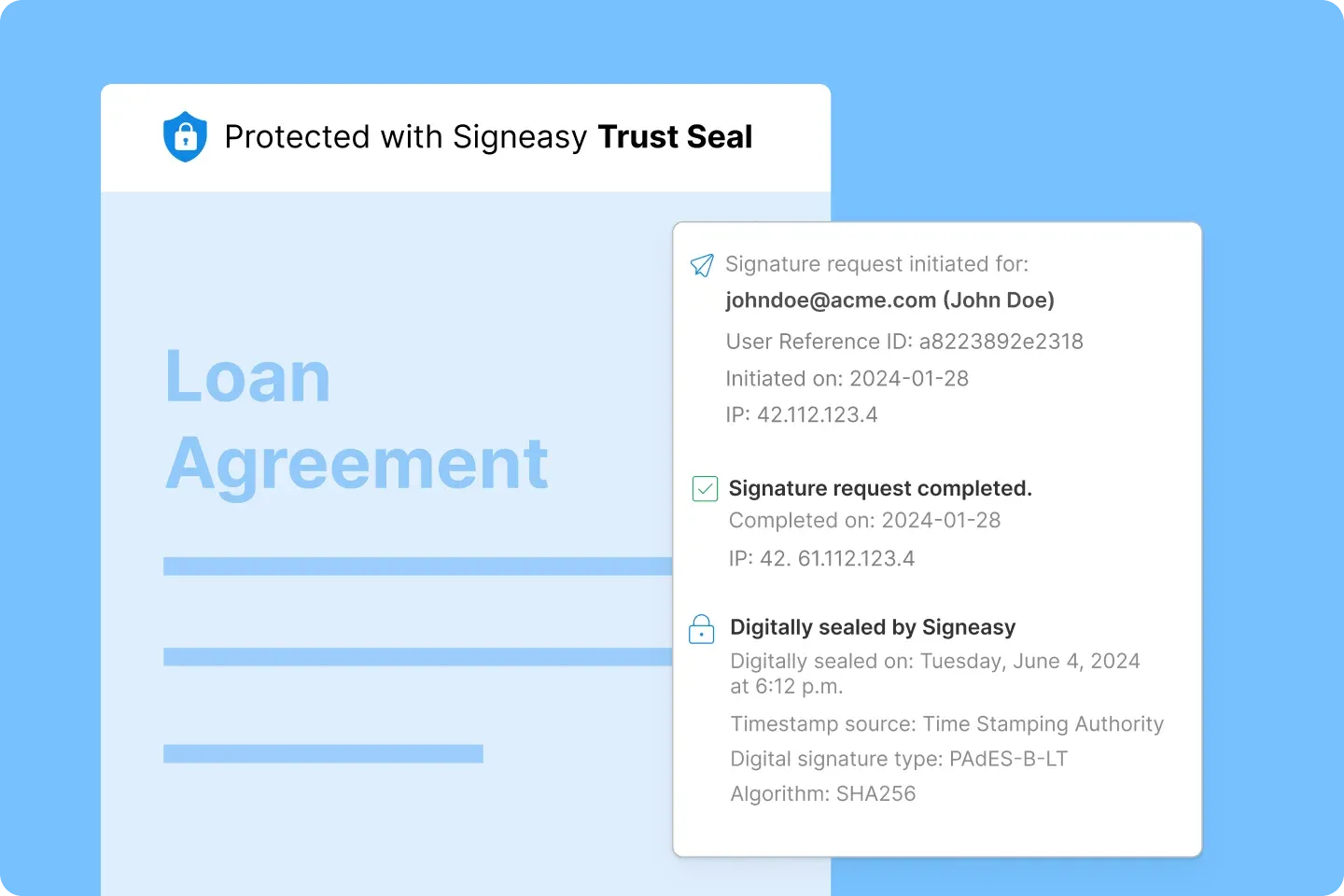
Federal contractors often need to demonstrate who signed a document, when it was signed, and whether the file changed after approval. Signeasy captures signer details, timestamps, and activity history through built-in audit trails, which helps teams maintain verifiable approval records for contract modifications, subcontractor agreements, and workforce policy acknowledgments.
Support for legal frameworks such as the U.S. ESIGN Act and UETA helps ensure electronic signatures remain legally valid for many federal contracting processes.
2. Centralized contract repository
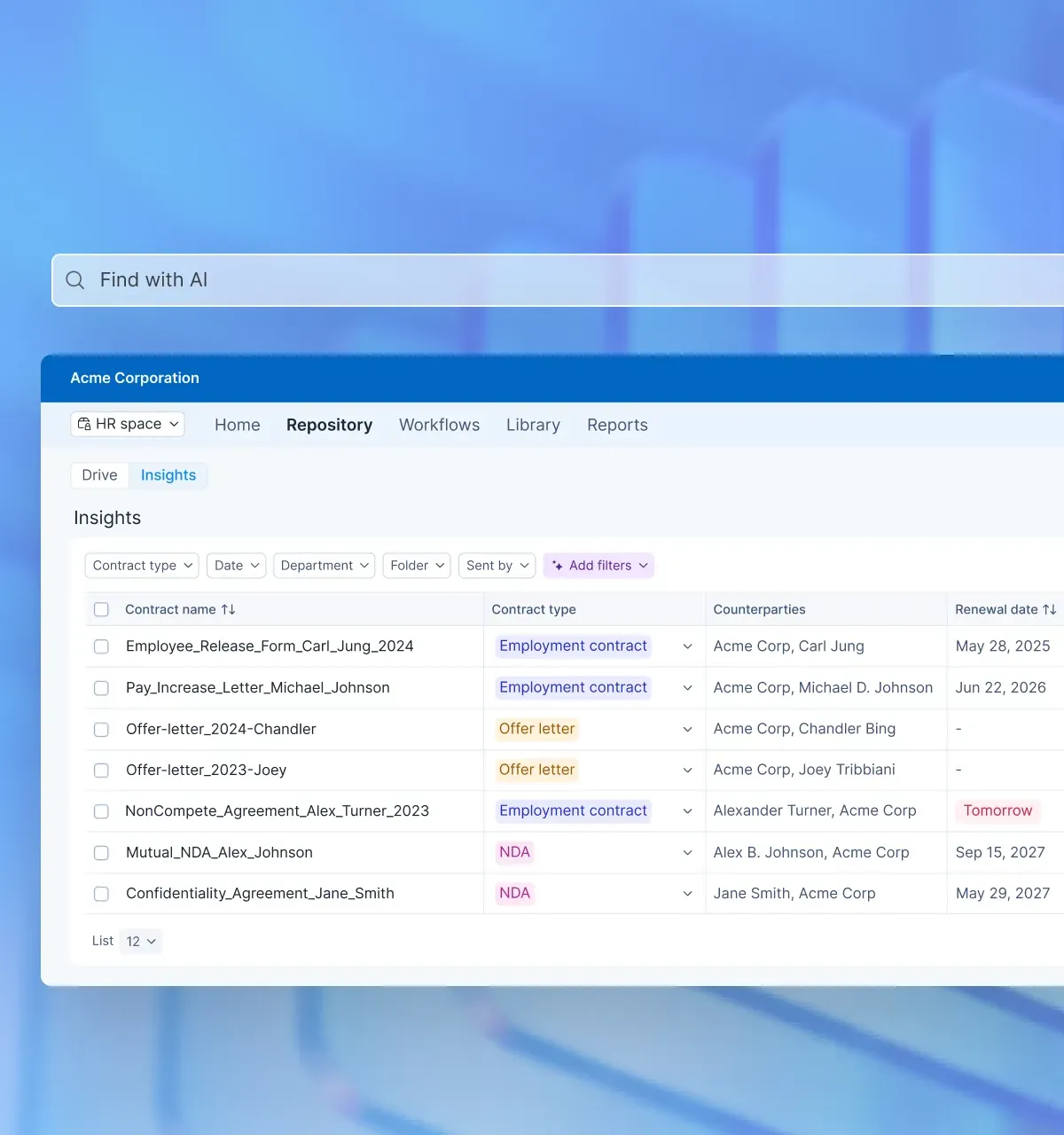
Compliance work becomes harder when agreements sit across inboxes and shared drives. Signeasy provides a centralized repository where teams can store and access signed contracts, amendments, and supporting documents from one workspace.
Having a single location for finalized files helps teams confirm they are referencing the latest signed version during reporting, internal reviews, or audit preparation.
3. Document version tracking and history
Federal contracts change over time through pricing updates, extensions, or revised clauses. Signeasy maintains document history so teams can see how a file progressed through signing and approval stages.
This visibility helps contractors track which version was signed and reduces confusion when multiple drafts exist during contract negotiations or updates.
4. Secure storage aligned with compliance expectations
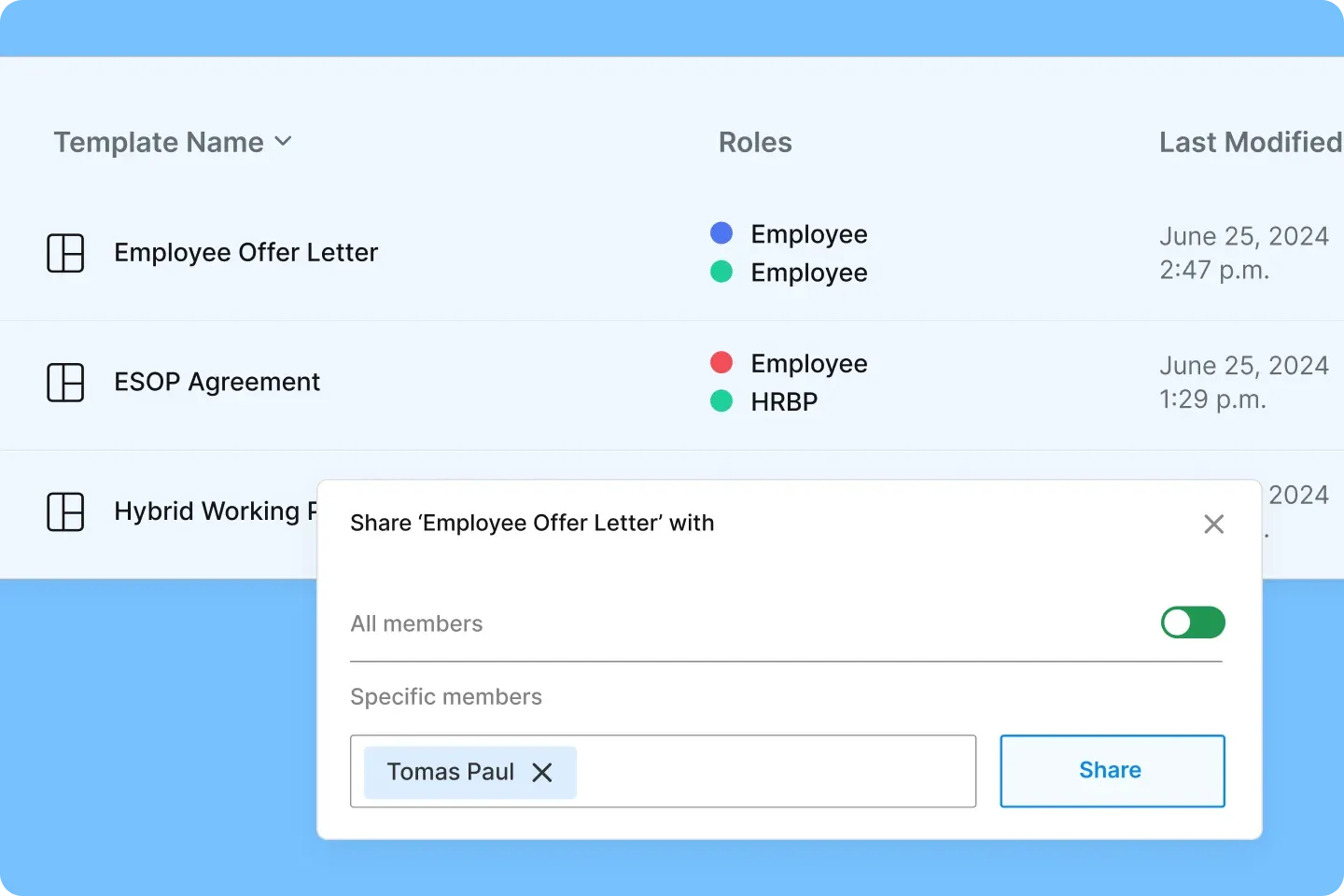
Protecting sensitive contract information is an important part of federal contracting. Signeasy includes secure storage with access controls and tamper-evident protections that help maintain document integrity after signing.
Security certifications such as SOC 2 Type II support organizations that need structured safeguards around contract records and approval data.

5. Automated reminders and deadline alerts
Renewals, reporting milestones, and policy updates require consistent tracking. Signeasy provides reminders that help teams stay aware of upcoming obligations tied to contract timelines and workforce documentation.

6. Structured approval workflows
Defined signing paths help reduce informal approvals and maintain consistent documentation practices. Contracts move through clear review stages, creating predictable approval records across departments.

7. AI-powered contract insights and visibility
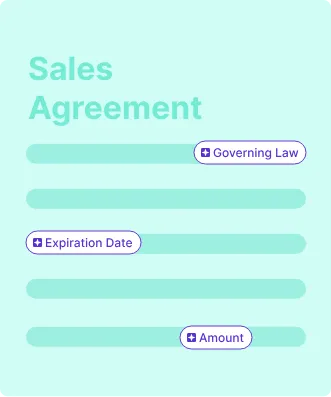
Signeasy’s AI capabilities help teams review contracts faster by extracting key terms, summarizing agreements, and answering questions directly from documents.
Instead of manually reviewing long files to locate obligations or clauses, users can surface relevant information quickly, which supports faster contract review and clearer visibility into compliance-related details.
8. Compliance certifications and standards support
Signeasy supports electronic signature frameworks such as the U.S. ESIGN Act, UETA, and eIDAS, helping organizations maintain legally recognized digital approvals across contracts and workforce documentation.
Security standards including SOC 2 Type II reinforce Signeasy’s structured controls around sensitive contract data, supporting teams that need reliable safeguards for compliance-related records.
9. Access controls and shared workspaces
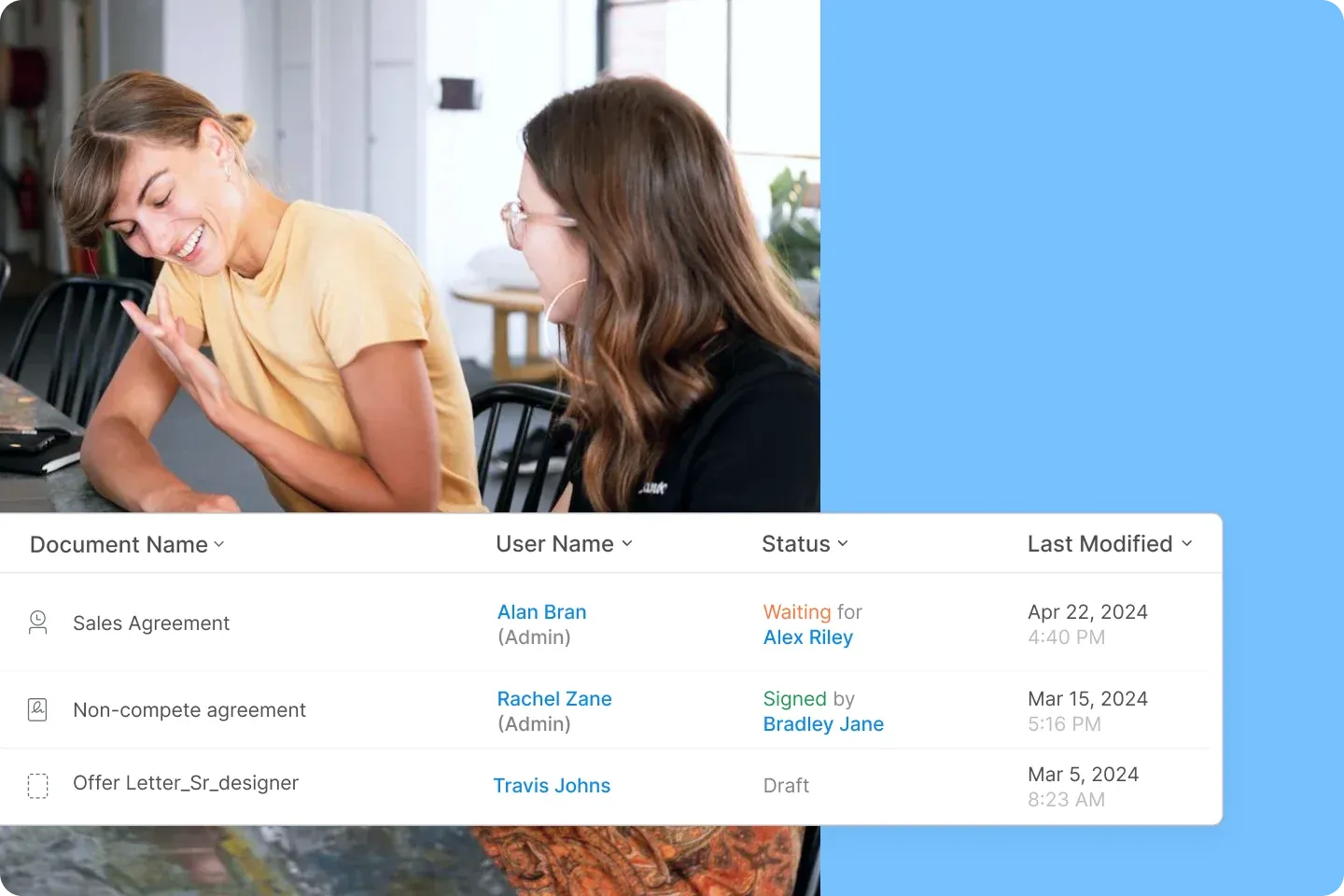
Role-based access ensures that HR manages workforce records while finance tracks cost documentation without duplicating files. Shared spaces help maintain visibility without compromising data security.
Stay ahead of federal contract compliance with clear, connected workflows
Federal contract compliance requires more than understanding regulations. Contractors need structured documentation, verified approvals, and consistent record-keeping to manage GSA Schedule obligations, FAR and DCAA expectations, and OFCCP requirements without slowing down operations.
Signeasy supports this process by helping teams manage legally compliant eSignatures, maintain centralized contract records, and track document history through secure, audit-ready workflows. Features like AI-powered contract insights, automated reminders, and structured approval paths help reduce manual work while keeping compliance documentation organized and accessible.
If your team wants a simpler way to manage federal contract paperwork without adding complex enterprise tools, explore how Signeasy can support your workflows.
Start your free Signeasy trial today and simplify how your team manages compliant contract workflows.