


In 2022, Aerojet Rocketdyne paid $9 million to settle allegations related to cybersecurity compliance under its government contracts.
The government claimed the company certified that it met required standards when it did not.
When you enter a government contract, you are formally stating that your company meets specific legal, financial, and cybersecurity requirements.
If you cannot prove that compliance later, the consequences can be serious, such as:
- Contract termination
- Loss of eligibility for future federal bids
- Federal penalties or enforcement actions
Using a centralized contract management system helps you keep contracts in one controlled place with clear version history and audit trails. That structure makes it easier to respond to audits, prove compliance, and reduce avoidable risk.
In this guide, you will:
- Understand what government contracting compliance means and why certification gaps create legal and financial risk
- Learn the key regulations contractors must follow
- Identify the most common compliance risks and the penalties they can trigger
- See how compliance applies across the entire contract lifecycle, from pre-award eligibility to post-contract record retention
- Discover how structured contract management with Signeasy supports audit readiness through centralized storage, controlled approvals, and secure execution workflows
What government contract compliance means for contractors
Government contract compliance means you consistently meet every obligation written into your contract including financial, operational, labor, and reporting.
In simple terms, compliance requires you to:
- Follow the specific clauses written into your contract
- Run your billing, payroll, data security, and reporting processes according to those rules
- Keep accurate records of approvals, changes, and certifications
- Be ready to show documentation if the government asks for it
The table below compares legal compliance with operational compliance so you can see how they differ and why both matter.
Legal compliance vs. operational compliance
Key government contract compliance regulations contractors must follow
Federal, state, and local agencies enforce overlapping requirements. Each contract pulls in specific clauses you must follow.
The following are the core regulatory pillars most U.S. contractors encounter.
1. Federal, state, and local regulatory oversight
At the federal level, contracts are governed by the Federal Acquisition Regulation (FAR), which sets the core procurement rules for all executive agencies.
Defense contracts also include the Defense Federal Acquisition Regulation Supplement (DFARS), which adds cybersecurity and supply chain requirements.
Depending on your contract, oversight may involve agencies such as:
- The Department of Defense (DoD) for defense work
- The General Services Administration (GSA) for schedule contracts
- The Department of Labor (DOL) for wage and labor compliance
- Agency Inspectors General for audits and investigations
Your requirements change depending on whether the contract is federal, state, or local. Here’s how those layers differ:
2. Core U.S. regulations contractors usually encounter
Federal contracts include specific regulatory clauses that become legally binding once the contract is awarded.
These clauses define how you price work, maintain records, protect government data, and report information to the contracting agency.
FAR defines how the federal government buys goods and services and what contractors must do after they win a contract.
In practice, FAR requires contractors to:
- Include specific government-mandated clauses in contracts and subcontracts
- Maintain detailed financial and project records
- Follow federal cost rules when billing the government
- Provide documentation if auditors review the contract
- Submit certifications and representations required during bidding and contract execution
For example, FAR clauses may require you to:
- Disclose ownership and business status when bidding
- Maintain cost documentation that supports invoices
- Allow federal auditors to review financial records tied to the contract
- Defense Federal Acquisition Regulation Supplement (DFARS)
DFARS applies when you work with the Department of Defense. It builds on FAR but adds additional requirements focused on protecting defense information and securing supply chains.
Contractors working on DoD contracts may need to:
- Protect sensitive defense-related information stored in their systems
- Implement cybersecurity safeguards aligned with NIST standards
- Report cyber incidents affecting defense information
- Verify the security posture of subcontractors and suppliers
- Data security and privacy standards
Some contracts require contractors to store or process government information. When that happens, the contract may include additional data protection requirements.
Common obligations may include:
- Implementing NIST 800-171 security controls to protect controlled information
- Encrypting and restricting access to sensitive government data
- Reporting cybersecurity incidents within defined timeframes
- Ensuring subcontractors follow the same security standards
3. Labor and employment compliance requirements
Federal contracts can impose additional workforce requirements on companies performing work for the U.S. government. These obligations apply to federal contractors and subcontractors, not to federal agencies themselves.
The exact requirements depend on the type of contract, contract value, and number of employees.
Common labor-related regulations include:
The Service Contract Act applies to many federal service contracts above $2,500.
It requires contractors to:
- Pay employees the wage rates listed in the contract’s wage determination
- Provide required fringe benefits (healthcare, vacation, etc.)
- Maintain payroll records that show compliance with those wage standards
- Davis-Bacon Act
The Davis-Bacon Act applies to most federal construction contracts exceeding $2,000.
Contractors must:
- Pay workers at least the prevailing wage for their trade and location
- Submit certified payroll reports documenting wages and hours
- Maintain payroll documentation for potential government review
- Equal Employment Opportunity (EEO-1) reporting
Some federal contractors must submit workforce demographic data to the Equal Employment Opportunity Commission (EEOC).
This typically applies to:
- Companies with 50 or more employees, and
- Federal contracts or subcontracts worth $50,000 or more
These contractors must file an EEO-1 report annually showing workforce composition by job category, race, ethnicity, and gender.
4. Industry-specific rules
Different industries face additional compliance layers beyond core federal requirements. The table below outlines common sector-specific obligations contractors should anticipate.
5. Documentation and record-keeping mandates
Most federal contracts include record-retention requirements. These clauses require contractors to keep documents that support how contract work was performed and billed.
Under FAR 4.7 (Contractor Records Retention), contractors must maintain certain records for several years after contract completion.
Typical obligations require you to:
- Retain contract records for 3–6 years after final payment, depending on the record type
- Maintain documentation supporting costs charged to the government (invoices, payroll records, subcontractor payments)
- Preserve contract modifications, change orders, and communications tied to the agreement
- Maintain documentation supporting representations and certifications submitted during bidding
- Produce these records if requested during a government audit or investigation
Recent government contractor compliance updates
Regulators are tightening enforcement and introducing new requirements that affect how you bid, perform, and document contract obligations.
The table show the shift looks:
Common compliance risks and penalties in government contracting
If your teams manage contracts, invoices, certifications, and amendments across scattered systems, small gaps turn into material risk. The following are the most common areas where contractors face exposure:
1. Inaccurate reporting or billing errors
Billing errors create immediate False Claims Act exposure. If invoices don’t align with contract terms or cost principles, agencies can recover funds and escalate to investigations.
Common issues include:
- Charging unallowable costs under FAR Part 31
- Misallocating indirect costs
- Certifying inaccurate cost or pricing data
- Billing labor that doesn’t meet contract requirements
2. Data breaches and weak cybersecurity controls
Failure to implement required cybersecurity controls violates contractual clauses, especially under DFARS and NIST frameworks.
Risk areas include:
- Failing to implement required NIST controls
- Weak access management
- Delayed cyber incident reporting
- Poor protection of Controlled Unclassified Information (CUI)
3. Failure to meet labor and wage requirements
Non-compliance with wage determinations or labor classifications results in back-pay liability and formal investigations.
Labor violations also impact performance ratings, which directly affect eligibility for future bids.
Common failures involve:
- Incorrect wage classifications
- Underpayment under prevailing wage laws
- Missing EEO reporting
- Incomplete affirmative action documentation
4. Missed deadlines and incomplete documentation
During audits, missing documentation shifts the burden onto you to prove compliance often under tight timelines.
Examples include:
- Untracked contract modifications
- Missing certifications
- Late compliance reports
- Incomplete audit trails
Using a contract management platform like Signeasy can help you maintain version history, automate reminders for certifications, and generate audit trails.
5. Conflicts of interest and ethics violations
Ethics findings can trigger suspension or debarment proceedings, cutting off future federal work.
Risk areas include:
- Undisclosed conflicts of interest
- Procurement integrity violations
- Improper subcontractor relationships
- Inaccurate disclosure filings
Core government contracting compliance requirements across the contract lifecycle
Every stage of the contract lifecycle carries specific obligations, documentation requirements, and risk exposure that you must actively manage.
To manage compliance effectively, you need visibility from pre-award through retention. Here’s how requirements typically unfold:
1. Pre-award stage: Establish eligibility and accuracy
Before the government evaluates your proposal, it evaluates your eligibility.
At this stage, contractors must focus on:
- Vendor registration and certifications: Maintain an active SAM registration (System for Award Management). Keep your representations and certifications accurate and update required entity disclosures.
- Eligibility checks and disclosures: Confirm your company is not suspended or debarred from federal contracting. Disclose any organizational conflicts of interest and verify that your business qualifies for the size or socioeconomic status claimed in SAM (for example, small business or veteran-owned).
- Proposal accuracy and representations: Ensure cost data, technical claims, and compliance attestations align with actual capabilities and documentation.
2. Award and onboarding: Align internal controls with contract terms
Once awarded, compliance shifts from representation to execution.
Key requirements include:
- Contract review and clause analysis: Identify mandatory FAR/DFARS clauses, cybersecurity obligations, labor standards, reporting deadlines, and audit rights embedded in the agreement.
- Policy alignment and internal approvals: Update internal controls, delegate responsibilities, confirm budget alignment, and document executive approvals.
3. Execution and performance: Deliver in compliance with contract terms
During performance, agencies evaluate both outcomes and processes.
Contractors must manage:
- Deliverable tracking: Monitor milestones, service levels, modifications, and change orders to ensure timely and documented performance.
- Labor compliance and payroll records: Maintain accurate wage classifications, timekeeping records, and payroll documentation consistent with contract labor standards.
- Data handling and security practices: Implement required cybersecurity controls, manage access permissions, protect Controlled Unclassified Information (CUI), and document incident response procedures.
4. Monitoring and reporting: Demonstrate ongoing compliance
Compliance requires continuous oversight.
This includes:
- Periodic audits and performance reviews: Prepare for agency audits, internal compliance reviews, and performance evaluations.
- Financial reporting and invoicing accuracy: Align invoices with contract terms, maintain cost documentation, and ensure billing certifications reflect actual performance.
5. Closeout and retention: Preserve documentation and audit readiness
Compliance responsibilities extend beyond final delivery.
At closeout, contractors must ensure:
- Final deliverables and formal acceptance: Document government acceptance, resolve outstanding modifications, and reconcile financials.
- Document retention timelines: Retain records according to contractual and regulatory requirements, often three to six years or longer.
- Post-contract audit readiness: Maintain organized records for potential post-performance audits or investigations.
How to build an effective government contractor compliance program
A compliance program determines whether your organization identifies risk early or explains it later to an auditor. The strength of that program depends on how clearly you structure processes and document execution across teams.
To reduce exposure and strengthen accountability, build your program around these core pillars:
Step 1: Establish a compliance governance structure
Start at the top.
- Define executive oversight for compliance strategy.
- Create a governance framework that outlines authority and escalation paths.
- Align compliance objectives with business goals and contract obligations.
Step 2: Assign ownership and accountability roles
Instead of vague shared responsibility, mature programs assign:
- Clause-level ownership to specific functions
- Named individuals responsible for certifications and submissions
- Documented approval workflows before representations are made
- Accountability for monitoring regulatory updates
Step 3: Develop written policies and standard operating procedures
Translate contractual obligations into operational rules through:
- Clause-to-policy mapping
- Step-by-step billing and reporting procedures
- Defined documentation standards
- Version-controlled updates tied to regulatory changes
Step 4: Implement training and awareness programs
Training must align directly with the risks each team controls. Ensure to:
- Conduct role-specific compliance training for finance, HR, IT, and procurement.
- Train leadership on certification risks and False Claims Act exposure.
- Document attendance and acknowledgment of compliance policies.
Step 5: Use contract management tools to strengthen compliance controls
Most compliance risk traces back to the contract visibility gap. A centralized contract management platform helps you:
- Store agreements, amendments, and certifications in one controlled repository
- Track version history and clause changes across the lifecycle
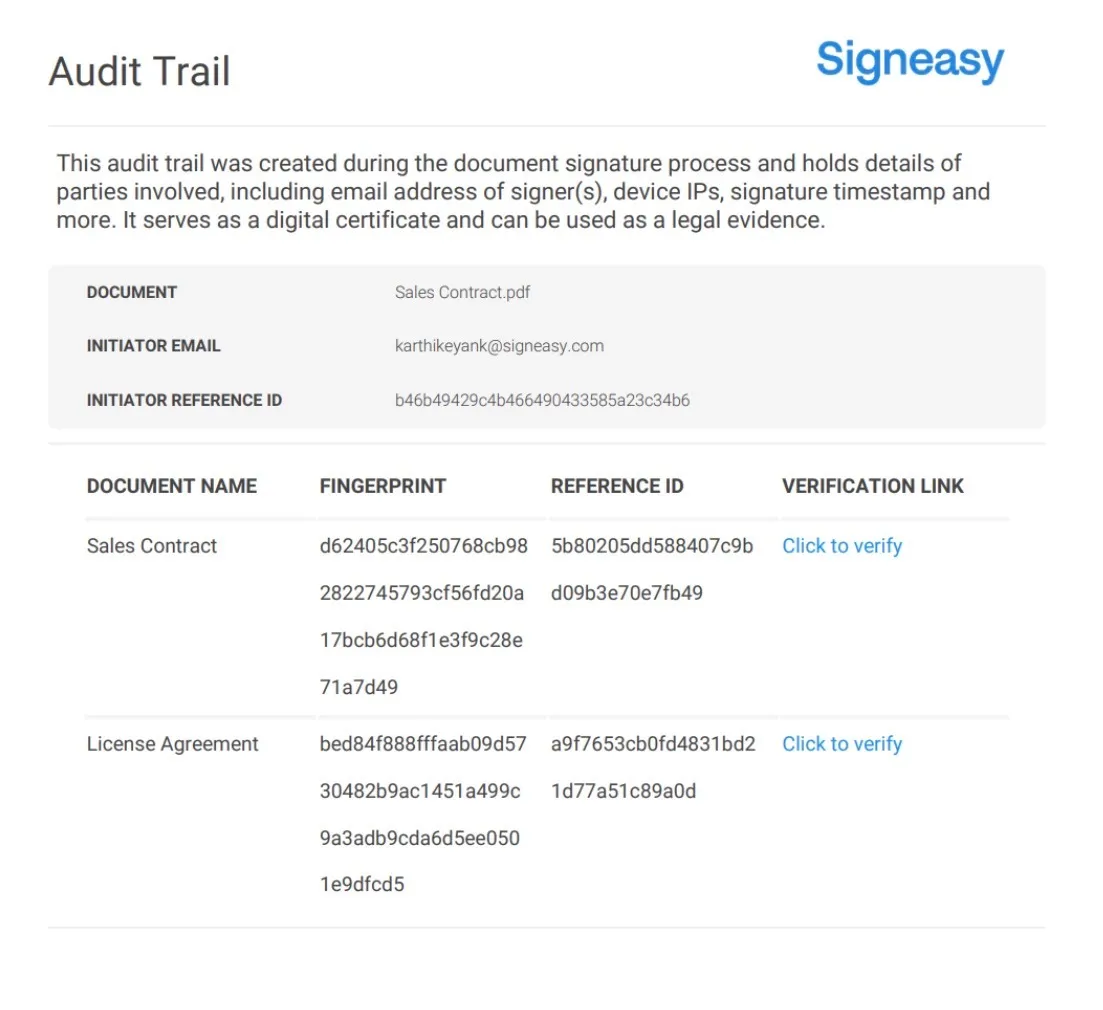
- Maintain timestamped approval records and audit trails
- Control access to sensitive contractual documents
- Retrieve supporting documentation quickly during audits
Step 6: Establish reporting channels and whistleblower protections
Create formal, documented mechanisms that allow employees to report concerns without fear of retaliation:
- Set up a confidential reporting channel (dedicated email, hotline, or third-party ethics platform)
- Define written procedures for how reports are logged, reviewed, and investigated
- Assign a designated compliance officer or committee to handle investigations
- Document findings, corrective actions, and resolution timelines
- Include anti-retaliation language in employee policies and require acknowledgment
Bring structure and oversight to contract execution with Signeasy
Compliance risk begins when contracts move through approvals without control or when executed copies are hard to trace. Once an agreement becomes active, every reporting, billing, and oversight process depends on how cleanly that execution occurred.
Signeasy supports stronger contract governance at the point where obligations become enforceable.
Signeasy supports compliance readiness through:
- Approval workflows: Define signing orders and required fields so agreements cannot be executed without the right approvals.
- Electronic signatures: Send contracts for legally binding eSignatures and track signing status in real time.

- Audit trails: Automatically record who signed, when they signed, and which document version was executed.
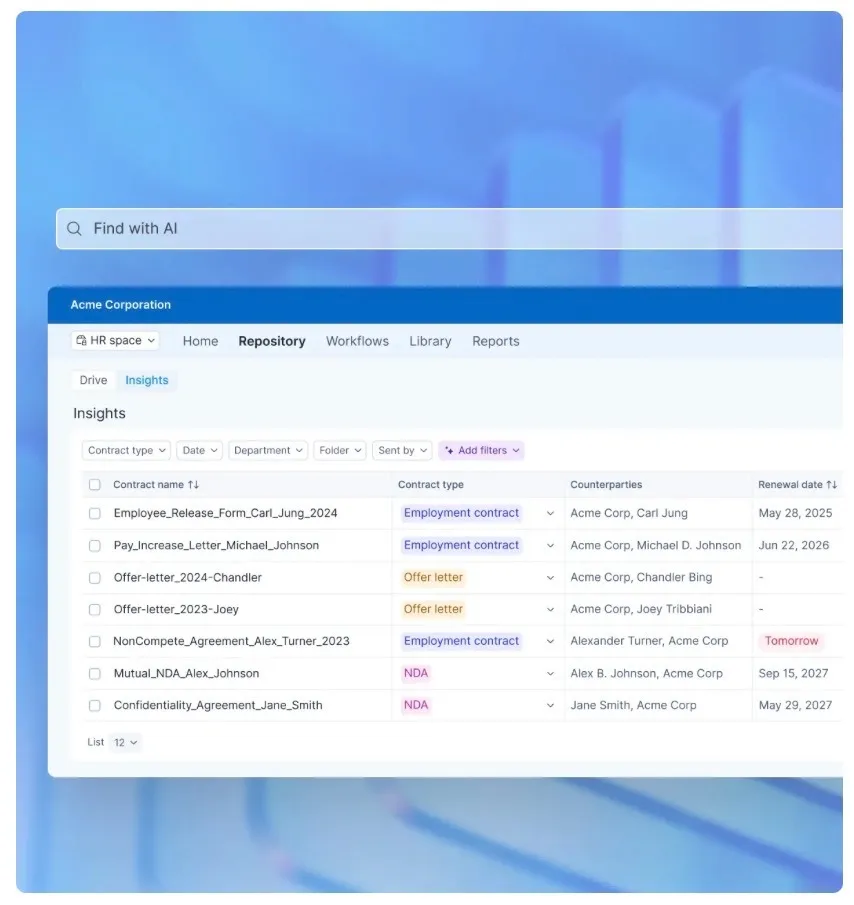
- Intelligent contract management: Keep executed agreements, amendments, and approvals organized in one searchable repository.
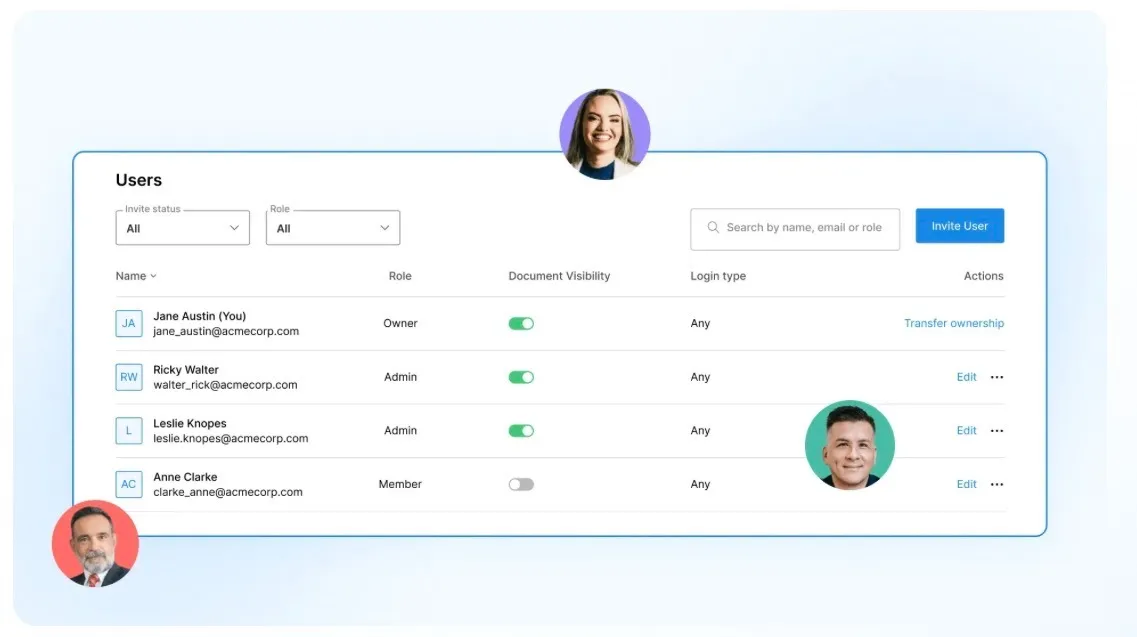
- Role-based access controls: Restrict sensitive contract documents to authorized users.
- Mobile and remote signing: Allow internal teams and external stakeholders to sign contracts securely from any device (iOS and android)
See how Signeasy can support your compliance workflows and keep your contracts audit-ready. Start free trial.